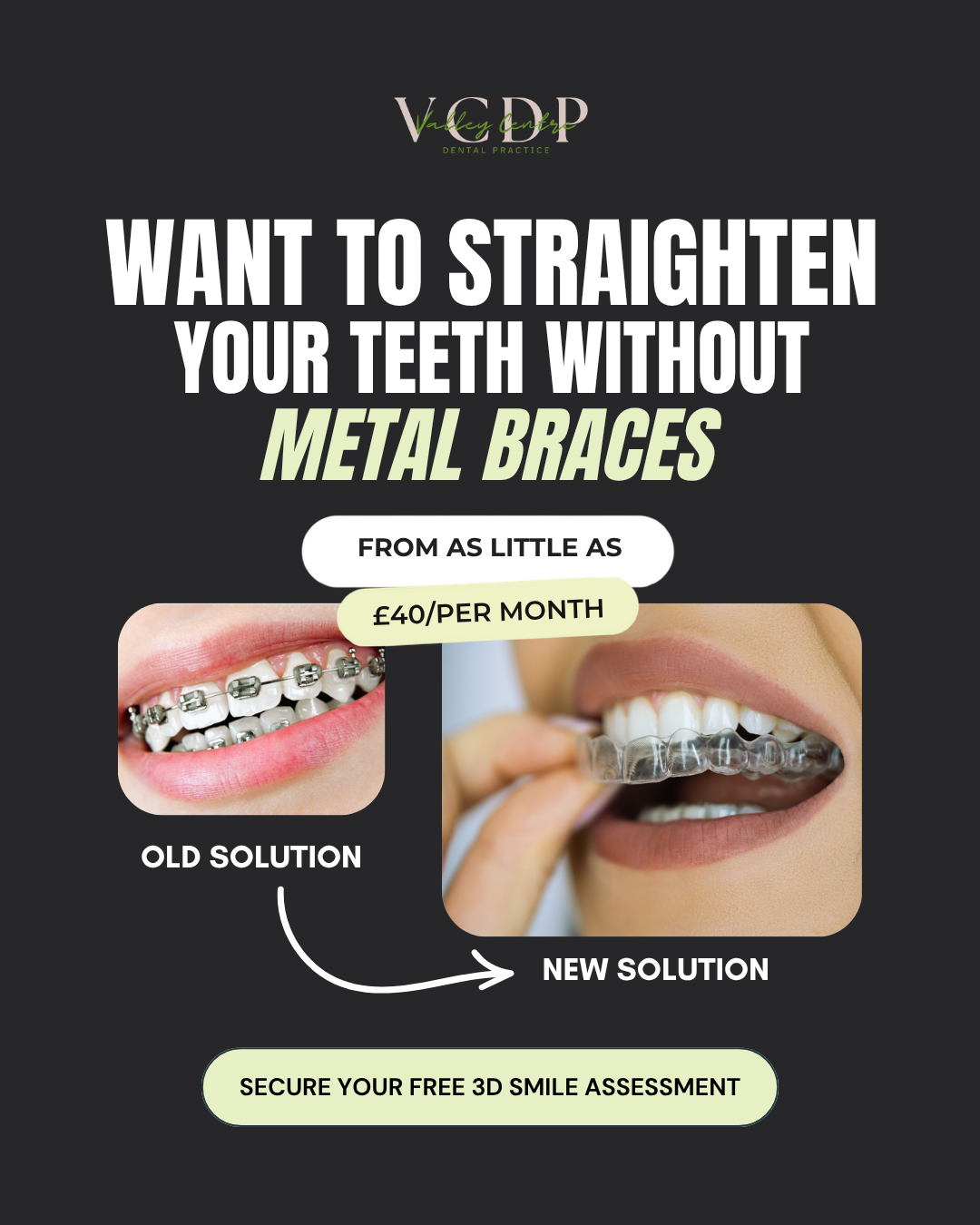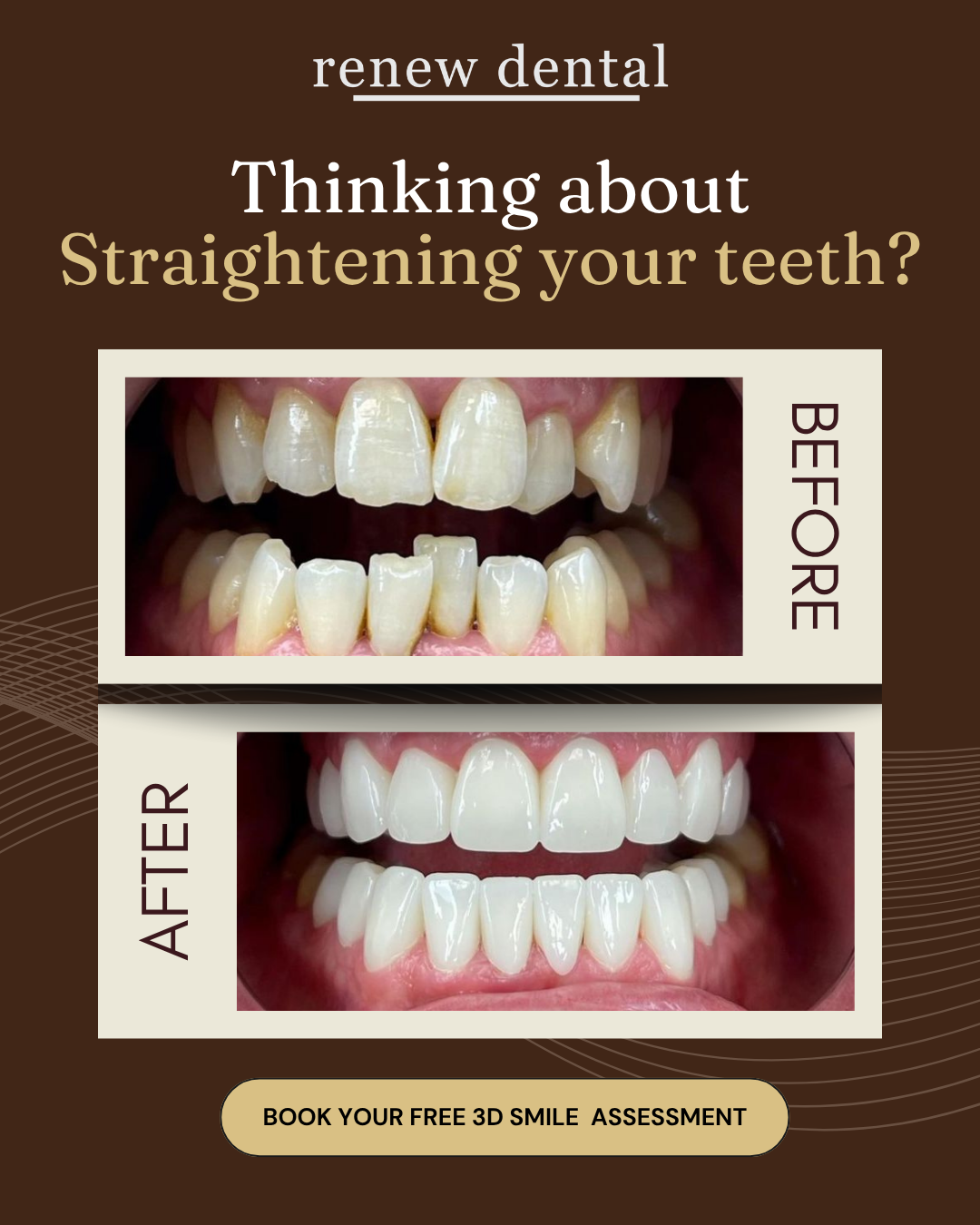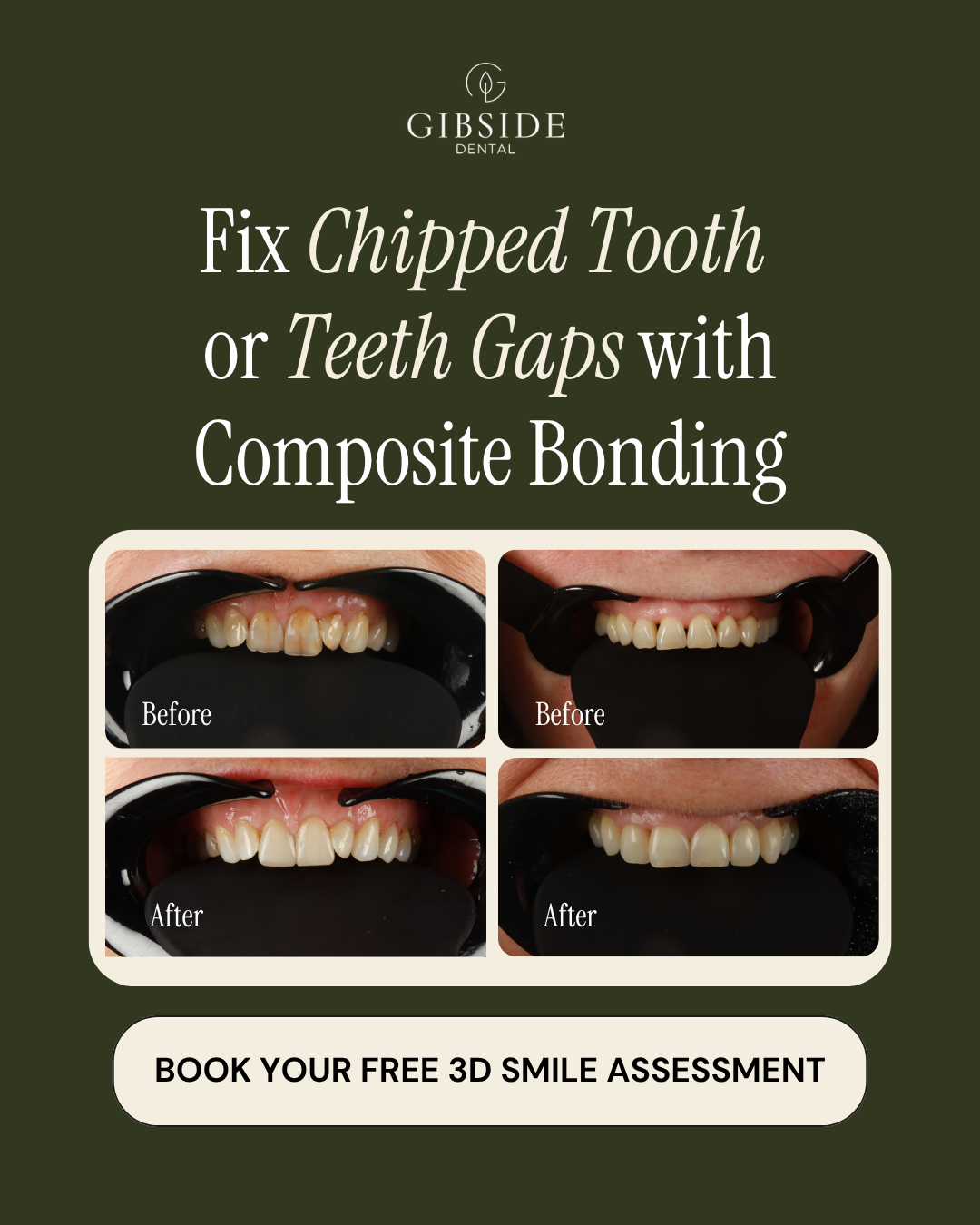
Lapsed patients. Enquiries that went cold. Consultations that never converted. No ad spend and no cost per click, just somebody asking properly.
The Bigger Brand is a Manchester-based dental marketing agency that runs patient reactivation campaigns for private and mixed dental practices across the UK and Ireland. We contact lapsed patients, unconverted enquiries and unaccepted treatment plans by email, SMS and WhatsApp, with lists segmented by treatment history and time since last contact. Every campaign follows UK GDPR and PECR rules on marketing consent, and results are reported as treatments booked and revenue.
Most practice marketing is aimed at people who’ve never heard of you. That’s worth doing, but it’s the expensive end of the job, and while everyone’s watching the front door, the patients you’ve already won can slip out of the back.
Reactivation works the other way round. It takes the patients and enquiries you’ve already paid to attract and gives them a good reason to come back. That fills gaps in the diary and brings in treatment without adding a penny to your ad budget.
Open your practice management software and look at how many patients haven’t been in for two years. Then look at the treatment plans that were presented and never accepted, and the enquiries from last spring that nobody followed up.
For most practices, that list runs into the hundreds. Some of those people have since had the treatment somewhere else, but most of them just drifted.
Nothing dramatic happened. They moved house, had a baby, or meant to ring back and didn’t, and after a while it felt awkward to get in touch. They’re not angry with you. They’ve just forgotten.
Unlike everyone you reach through advertising, these people already know your name, have been in the building and have some idea what you charge. The hardest part of the sale is already done.

Two years or more since their last appointment. This is usually the biggest list and the easiest to reactivate.
Presented, quoted and never started, often because of cost or timing rather than a decision against it.
Everyone who filled in a form or rang and didn't book. Circumstances change constantly, and almost nobody goes back and asks.
They came in, liked you and said they'd think about it. Most practices have dozens a year and follow up with none of them.
Whitening patients who never had bonding, or hygiene patients who've never discussed Invisalign. It's all already sitting in the notes.
It’s worth being clear about this, because it’s where reactivation campaigns get practices into trouble.
Under UK GDPR and PECR, existing patients can generally be contacted about similar services under the soft opt-in, provided they were given the chance to opt out when their details were collected and every message offers an easy way out.
That covers most lapsed patient lists. It doesn’t cover everybody, and it doesn’t cover lists bought or acquired from elsewhere.
So we audit the list before we send anything, and records without clear consent don’t get contacted. A reactivation campaign that generates an ICO complaint costs far more than it makes.
The obvious version is a discount blast to everyone. It works briefly, but it devalues what you do and trains your list to wait for the next offer. We’d rather run the version that keeps working.
A lapsed hygiene patient and someone who declined a £9,000 treatment plan need completely different messages. Sending them the same one is why most reactivation campaigns fail.
A new scanner, a new clinician, a service you didn’t offer last time they came, or simply that it’s been a while and their notes are due an update.
Messages are sent from the practice, ideally from the clinician who treated them, and written the way you’d actually speak.
Email suits some people and SMS suits others, while WhatsApp is fast becoming the one everybody answers. Most practices only use one channel and wonder why it’s quiet.
One message is a poke. Four over three weeks, each with a different angle, is a campaign.
Patients can reply to the text, click a link or ring. There’s no landing page form to get through.
We’ll go through your lapsed patients, cold enquiries and open treatment plans, check what you’re allowed to contact, and estimate what a campaign could book. It’s free.

A patient reactivation campaign contacts former patients, unconverted enquiries and unaccepted treatment plans already in a practice’s records, and encourages them to come back or go ahead with treatment. Messages go out by email, SMS or WhatsApp, segmented by treatment history and time since last contact. Because the audience already exists, there’s no advertising cost.
Reactivation has no media spend, so the only costs are campaign management and messaging fees. That usually means a lower cost per booked treatment than paid advertising, because the audience already knows the practice. The trade-off is that the list is finite, whereas advertising can be scaled. Most practices run reactivation alongside advertising rather than instead of it.
Existing patients can usually be contacted about similar services under the soft opt-in provision of PECR, provided their details were obtained during a previous course of treatment, they were given an opportunity to object at the point of collection, and every message includes a clear way to unsubscribe. Records where consent cannot be established should be excluded.
It varies a lot with list size, how long patients have been away, the treatments involved and the quality of the contact data. Recently lapsed patients usually respond better than those who’ve been away for several years, and campaigns segmented by treatment history generally outperform a single message sent to the whole list.