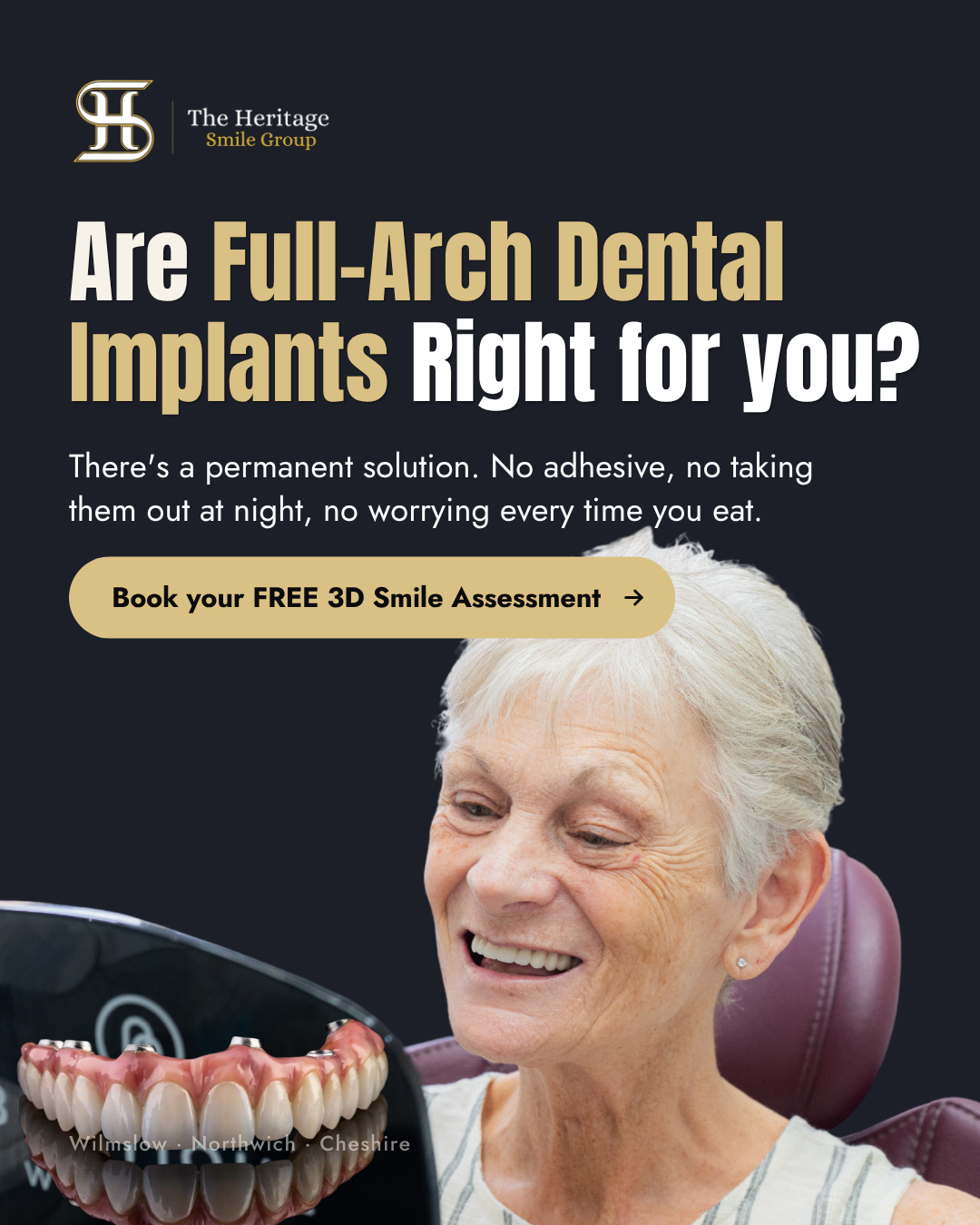
Sixty enquiries is a number. Nineteen implant cases is a business.
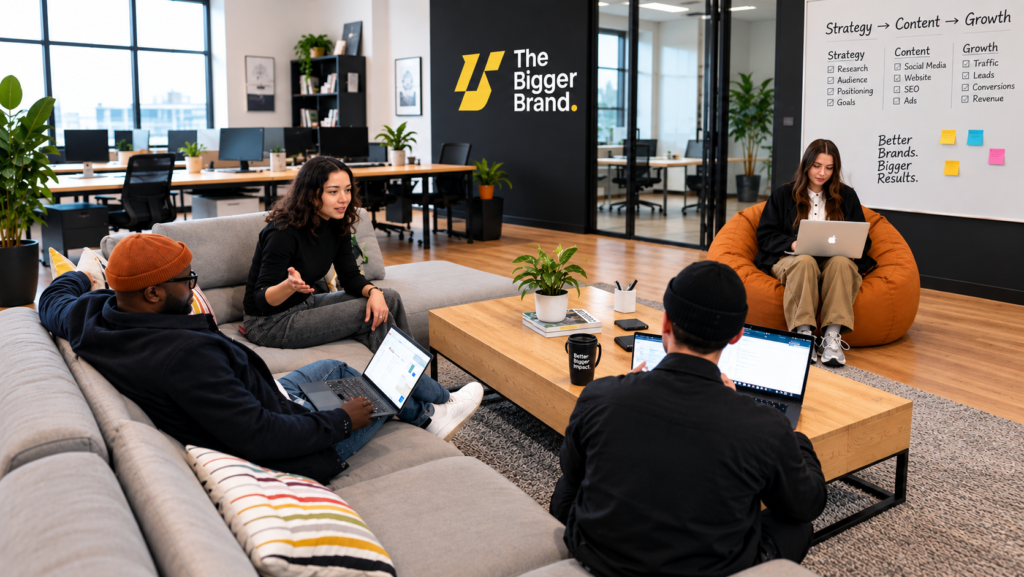
The Bigger Brand is a Manchester-based dental marketing agency that runs Facebook and Instagram advertising for private and mixed dental practices across the UK and Ireland. Campaigns cover dental implants, Invisalign, cosmetic treatments and open days, with creative filmed in your practice. Reporting leads with treatments booked and cost per booked case, not enquiry volume, and every advert is checked against GDC guidance and ASA rules.
Most people who end up having implants or straightening their teeth don’t start by searching for it. They’ve been thinking about it for months, sometimes years, and putting it off because of the cost or plain nerves. Google only catches them once they’ve made up their mind and started comparing prices. Meta reaches them much earlier, while they’re scrolling Instagram in the evening and something finally makes them think a conversation might be worth having.
That’s why it works so well for private dentistry. You can put your own clinicians and real patient stories in front of people within a sensible drive of your door, then keep showing up while they weigh it up. With big, considered treatments, being the practice they already feel they know counts for a lot by the time they’re ready to book.
Meta will sell you leads all day long. Drop the price low enough and you’ll be buried in them. The trouble starts when your nurse is trying to call forty people back between patients, and the handful who pick up only wanted the £29 whitening.
Now the diary’s full of treatments you barely make anything on, sitting in the slots you wanted for the work that pays. The ads did exactly what they were asked to do. What went wrong was who they were aimed at, and what happened after someone filled in the form.
So we start with the treatment you actually want more of and build the campaign around that. Behind every form there’s a follow-up system, so nobody waits until Thursday for a call back. Your cost per enquiry will usually go up, while your cost per booked case tends to fall through the floor.
One is a vanity number. The other pays your associates.
We plan, build and run Facebook and Instagram campaigns for private and mixed practices across the UK and Ireland, from our base in Manchester.
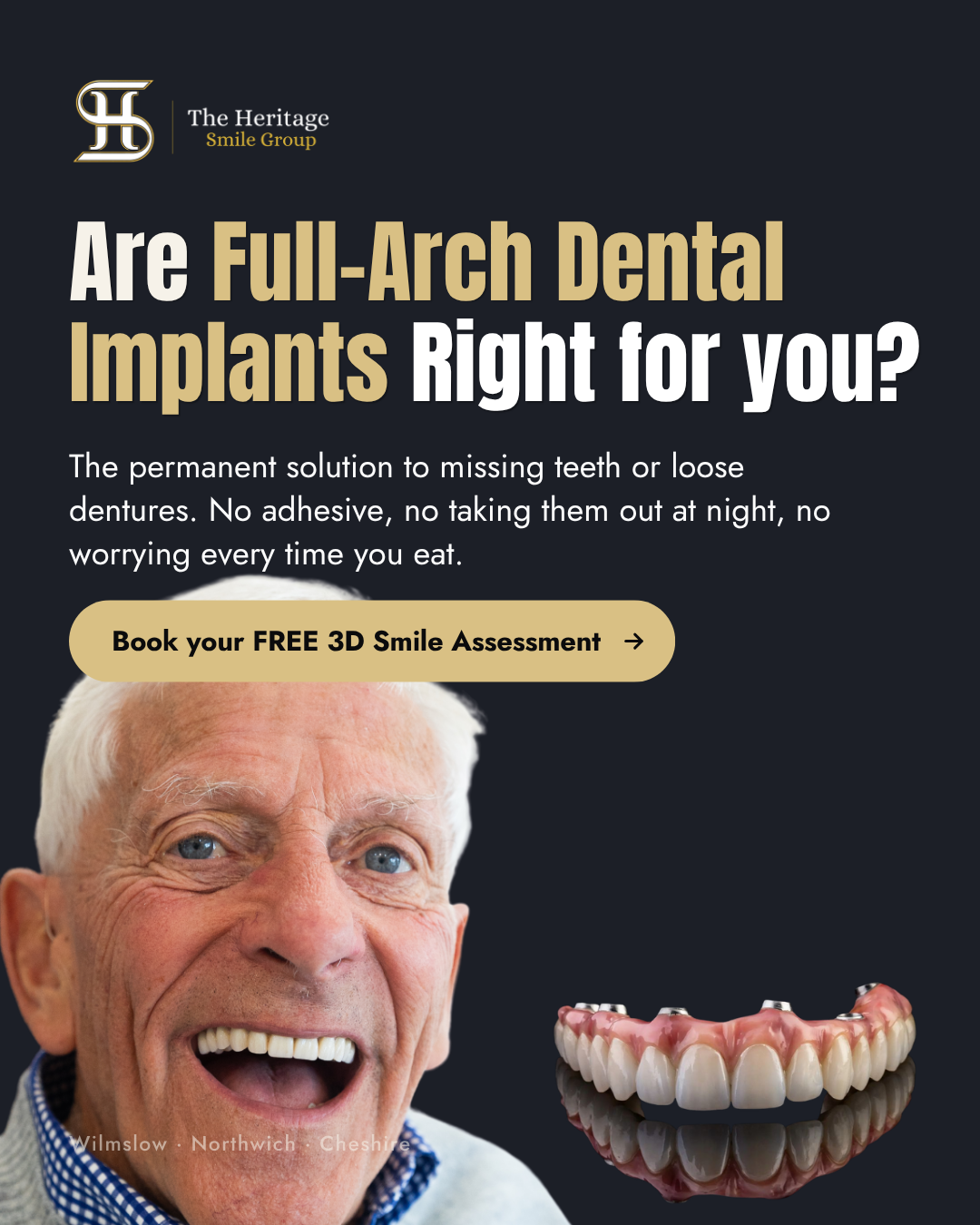
Implant patients have often been putting treatment off for years, and they rarely decide in a hurry. "This week only" offers tend to scare them off. What works is patient education, video that builds trust in the clinician, and follow-up that keeps going for weeks rather than days.
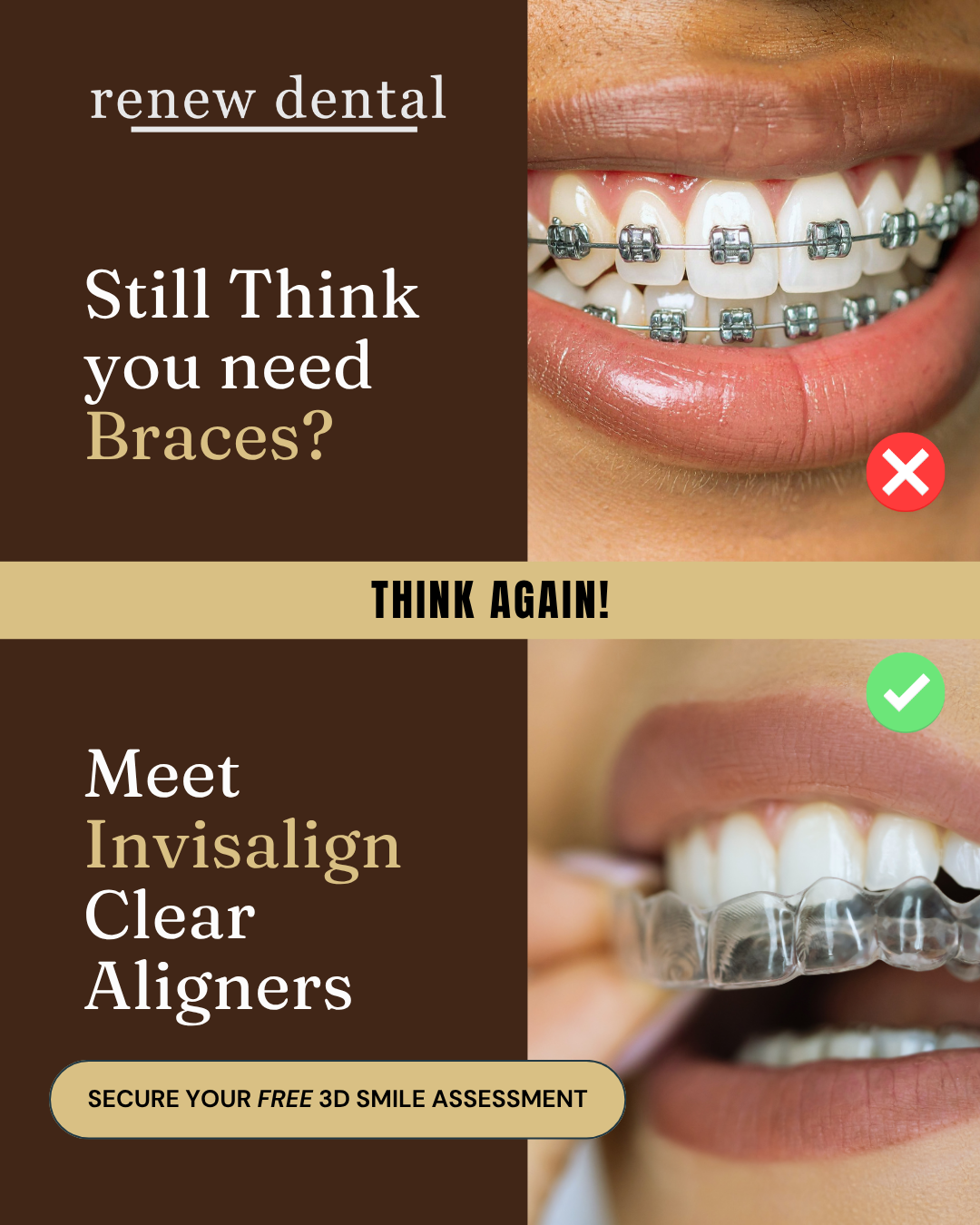
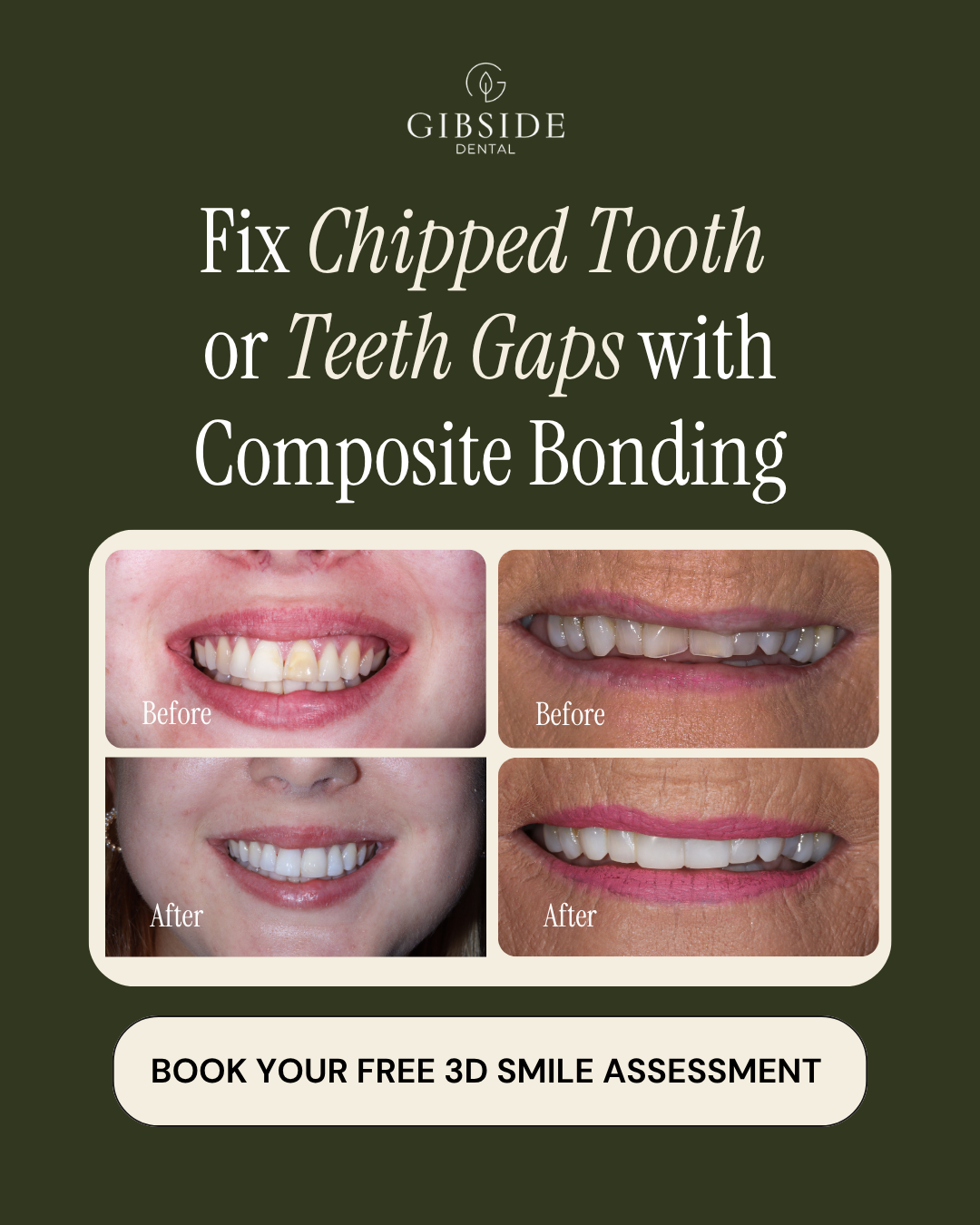
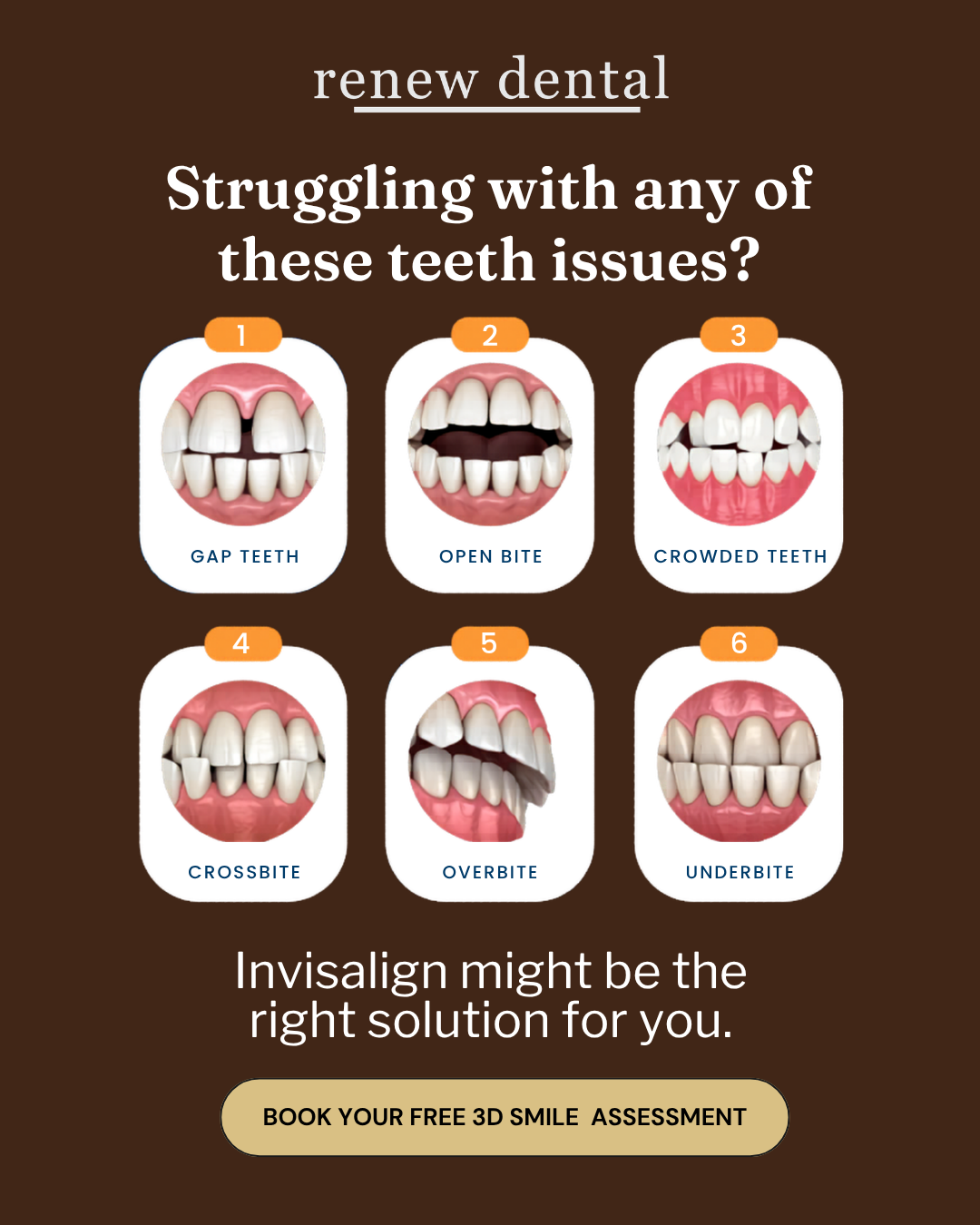
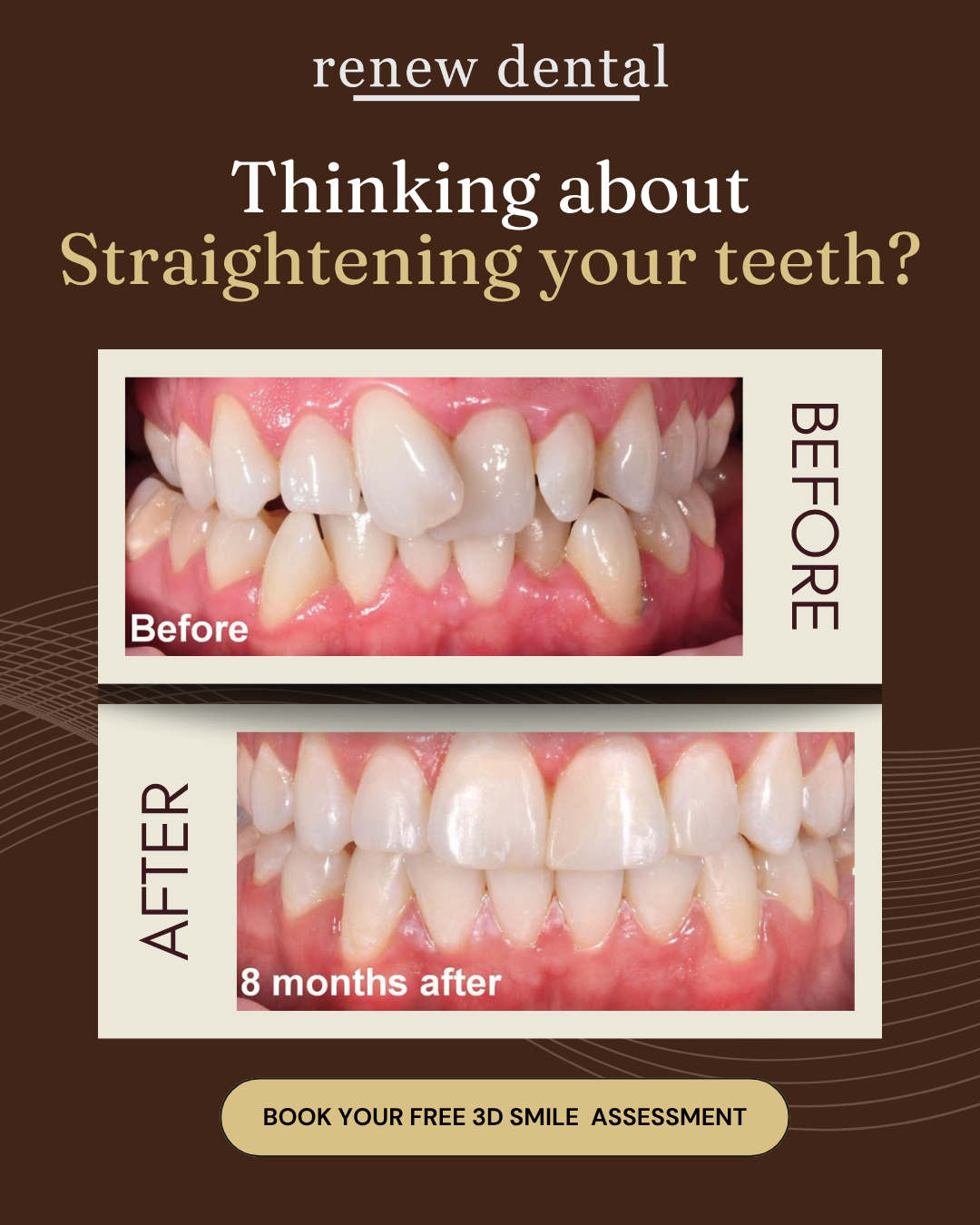
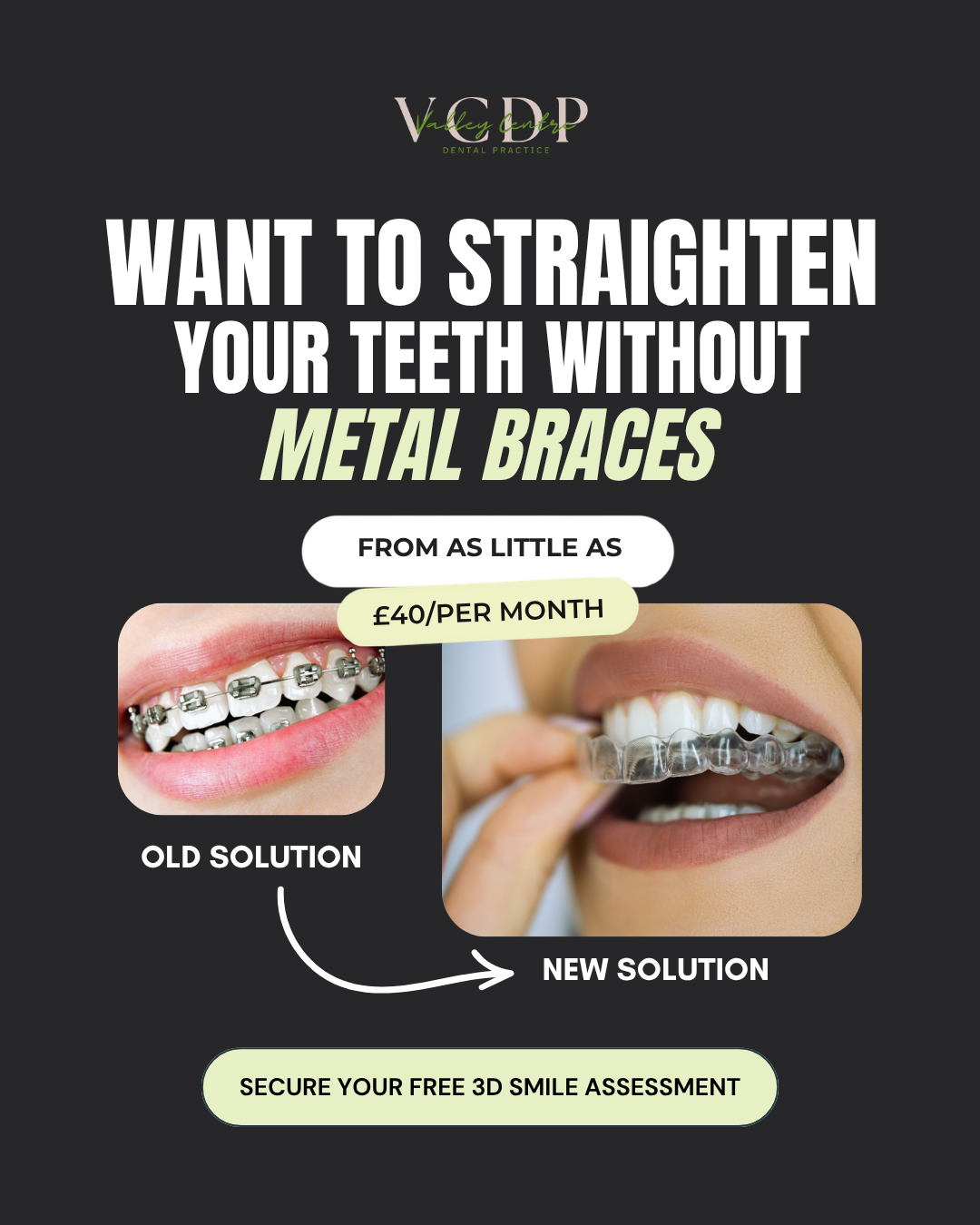
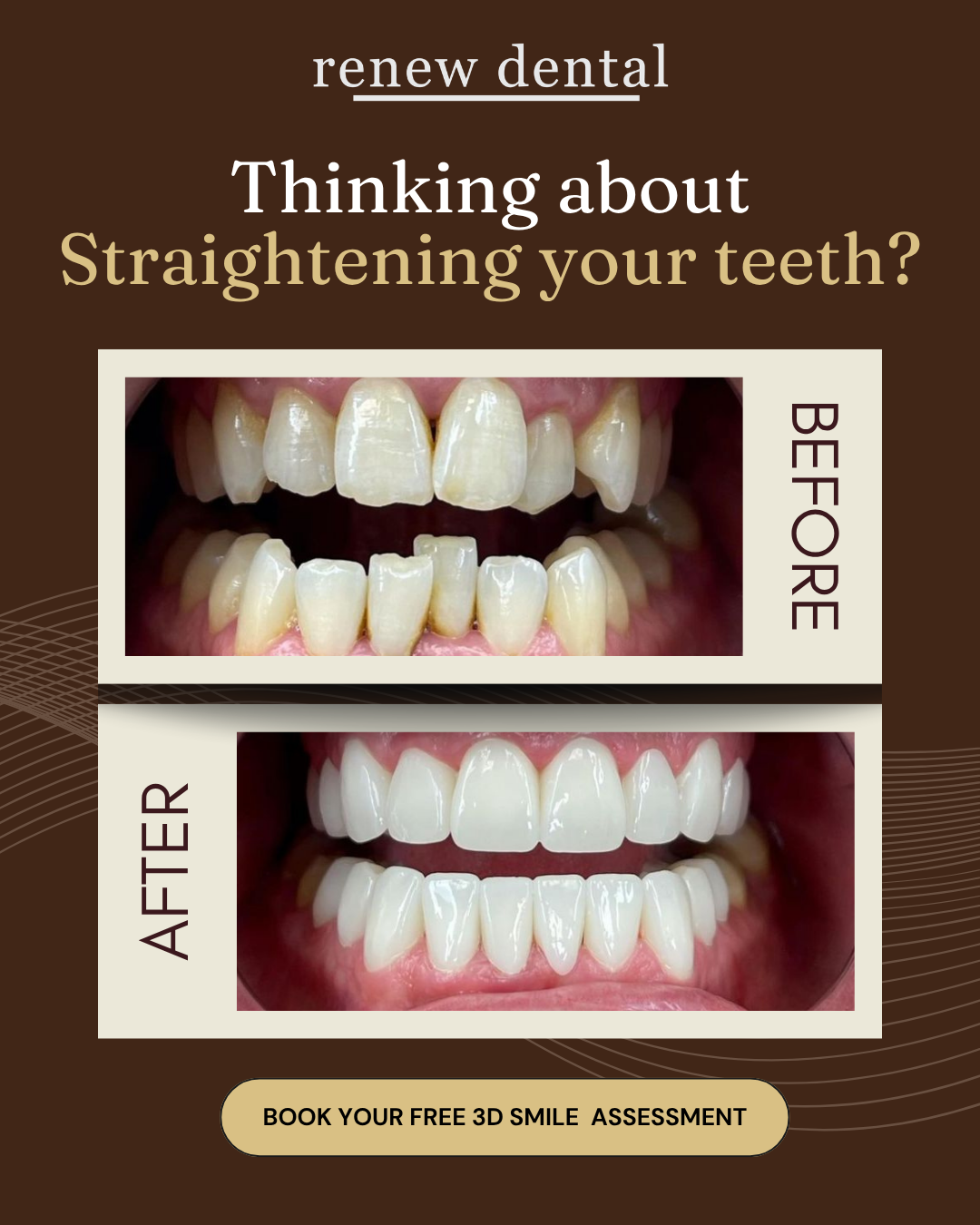
Aligner patients are mostly adults who want to feel better about their smile, so the creative has to look good. It also has to stay within ASA and GDC rules on before-and-after images and treatment claims, which is where plenty of aligner ads come unstuck. We write and check every piece with both in mind.

Open days are consistently our strongest campaign format. Local ads bring people in, a short questionnaire qualifies them, and they pick a time slot there and then. Automated text and email reminders take care of the rest, which makes a real difference to how many actually turn up.

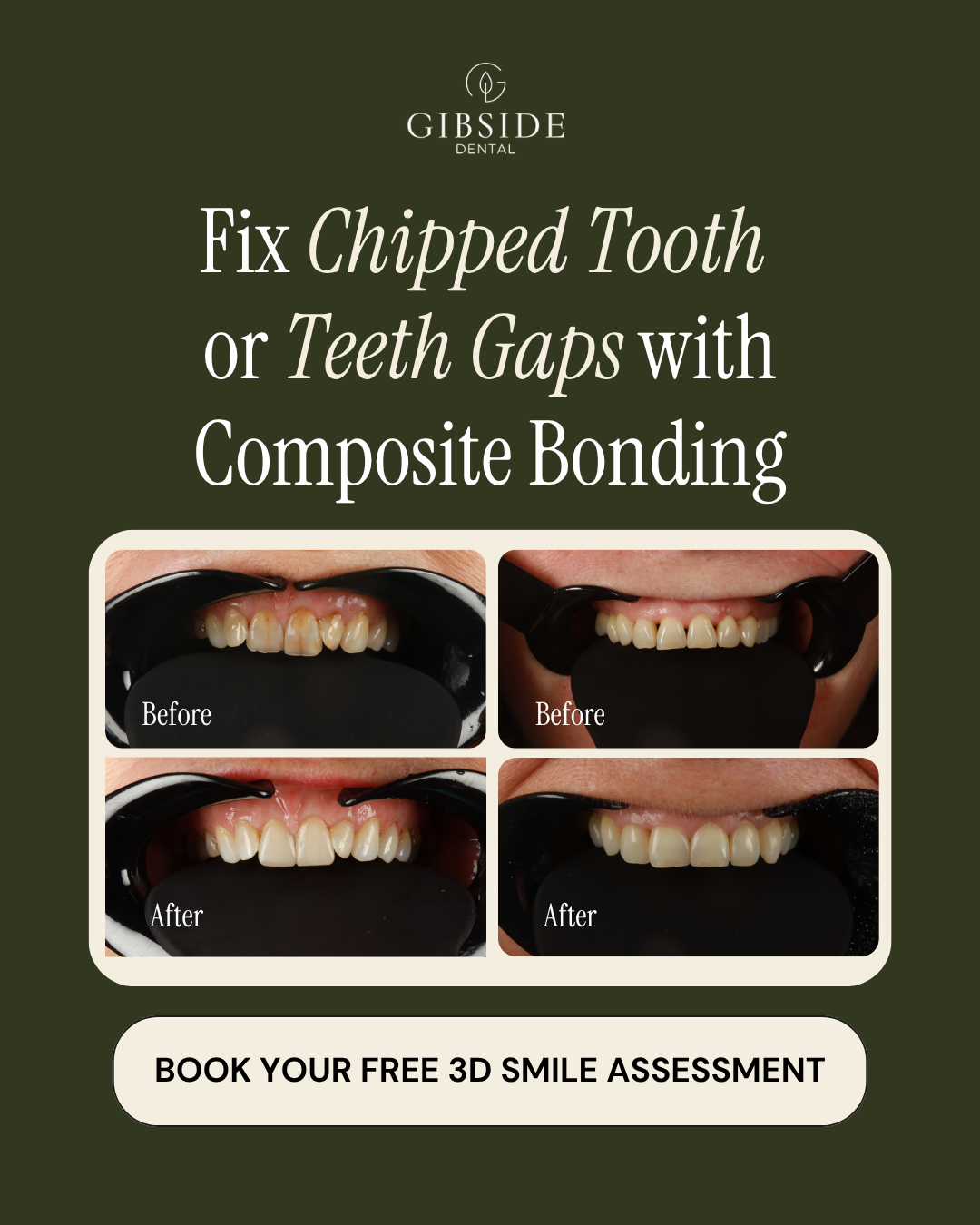
Bonding and cosmetic work sell on looks, and they do noticeably better on Instagram than in the Facebook feed. The audience skews younger, so we lean on short video that feels at home on a phone rather than looking like an advert.
Most people who click an ad aren't ready to book there and then. Retargeting keeps your practice in front of them with patient stories and answers to the questions they're too shy to ask, so when they are ready, sometimes months later, yours is the name they remember.
Most wasted Meta spend in dentistry comes down to the same handful of problems. Fix them, and the budget you’re already spending starts booking far more treatment.
A big discount pulls in bargain hunters. They’re the hardest people to convert into high-value treatment and the first to leave when somewhere cheaper turns up.
The ad promises implants from £1,995, then the link opens on stock photos and a basic contact form. People notice the gap and leave.
An enquiry lands at 2pm on Tuesday and nobody rings until Thursday morning. By then they’ve usually booked with a practice that answered faster.
Dental audiences tire of ads quickly. Show the same video to the same local audience for months and your costs climb while the results fade.
A non-compliant before-and-after or an overstated claim puts the practice at risk. It’s your GDC registration on the line, not the agency’s.
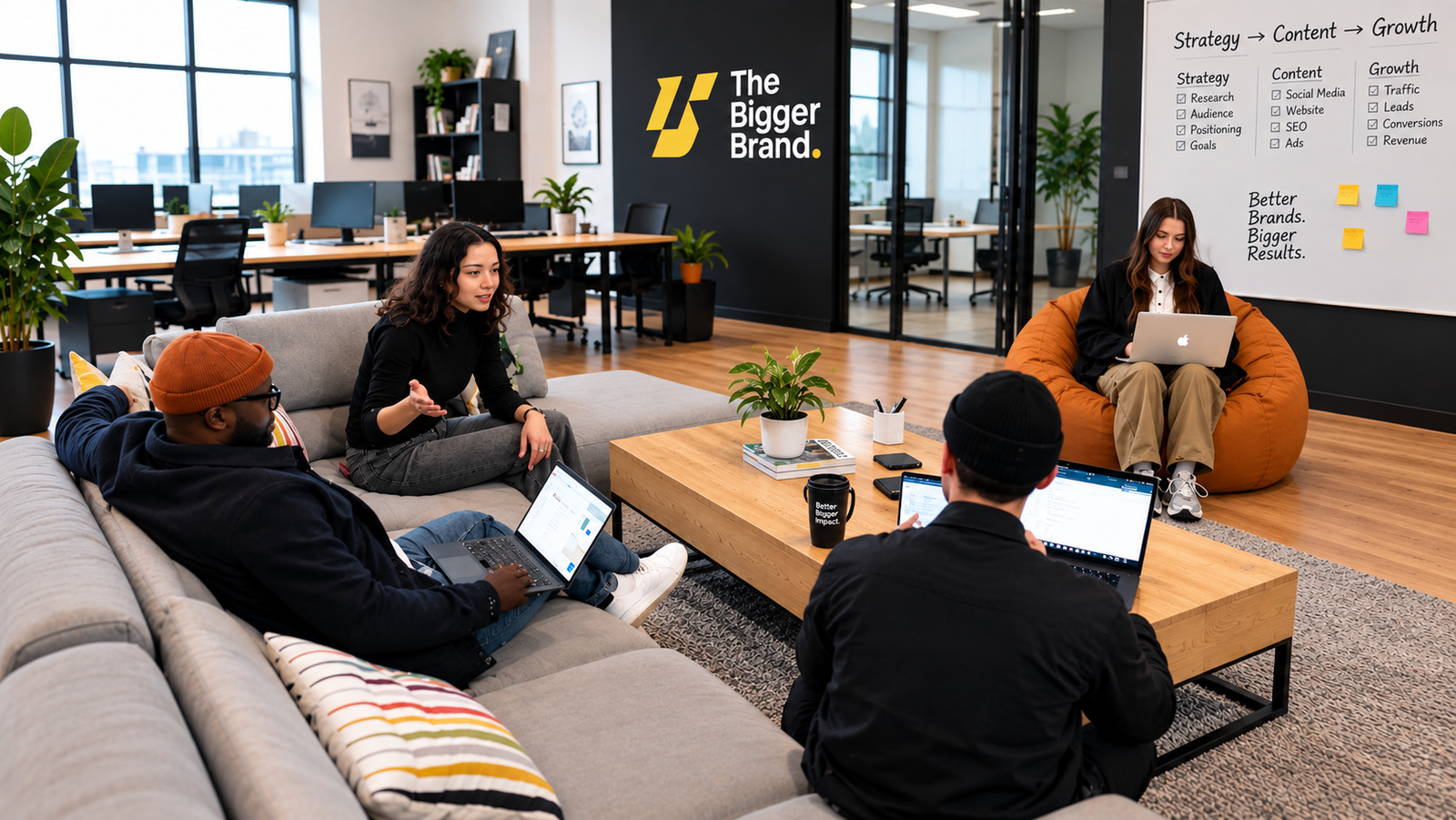
Here’s how we take a practice from the first conversation to campaigns that book consultations, and how we keep them improving once they’re live.
We look at your treatment mix, your margins and how much capacity you’ve really got. There’s no point advertising implants if your surgeon is booked solid for the next six months.
We come to you and film your team, your surgery and, with consent, real patient cases. Stock photos get scrolled straight past, and patients want to see who’ll actually be treating them.
Each treatment gets its own campaign and landing page. Tracking is set up around booked consultations, so the ads are judged on appointments rather than form fills.
Text and email replies go out the moment someone enquires, followed by WhatsApp messages, and your reception team gets call scripts to work from. This is the stage where most practices quietly lose leads without ever realising.
New creative goes live every fortnight. Anything that isn’t pulling its weight gets switched off quickly rather than sitting there eating budget.
Once a month we sit down with you for 30 minutes and go through treatments booked, cost per case and consultations attended. Those are the figures that tell you whether it’s working.
Send us your ad account and we’ll show you where the budget’s leaking, what we’d change, and what we’d expect it to book. It’s free, and you’ll get an honest answer.
Most UK dental practices running Meta ads spend between £1,000 and £3,000 a month on ad budget, separate from management fees. Implant and full-arch campaigns usually need more than Invisalign or hygiene, because patients take longer to decide. The budget sits in the practice’s own ad account, not the agency’s.
Enquiries usually start within days of launch. Booked treatments tend to take six to eight weeks, because implant and Invisalign decisions are rarely made in a single week. Campaigns need around a fortnight of data before they can be properly optimised. Any agency promising booked high-value cases in the first fortnight is guessing.
It varies a lot by location and competition, which is why cost per lead is a limited measure on its own. Cost per booked case is more useful because it accounts for the enquiries that never make it to a consultation. If an agency only quotes you on cost per lead, ask what proportion of those enquiries usually attend and go on to book treatment.
Yes, though the approach has changed. Discount-led offers now attract price-sensitive enquiries that rarely turn into high-value treatment. Campaigns built around one specific treatment, using video filmed in the practice and backed by proper follow-up, are still producing booked cases. Creative wears out faster in dental than in most sectors, so it needs refreshing regularly.