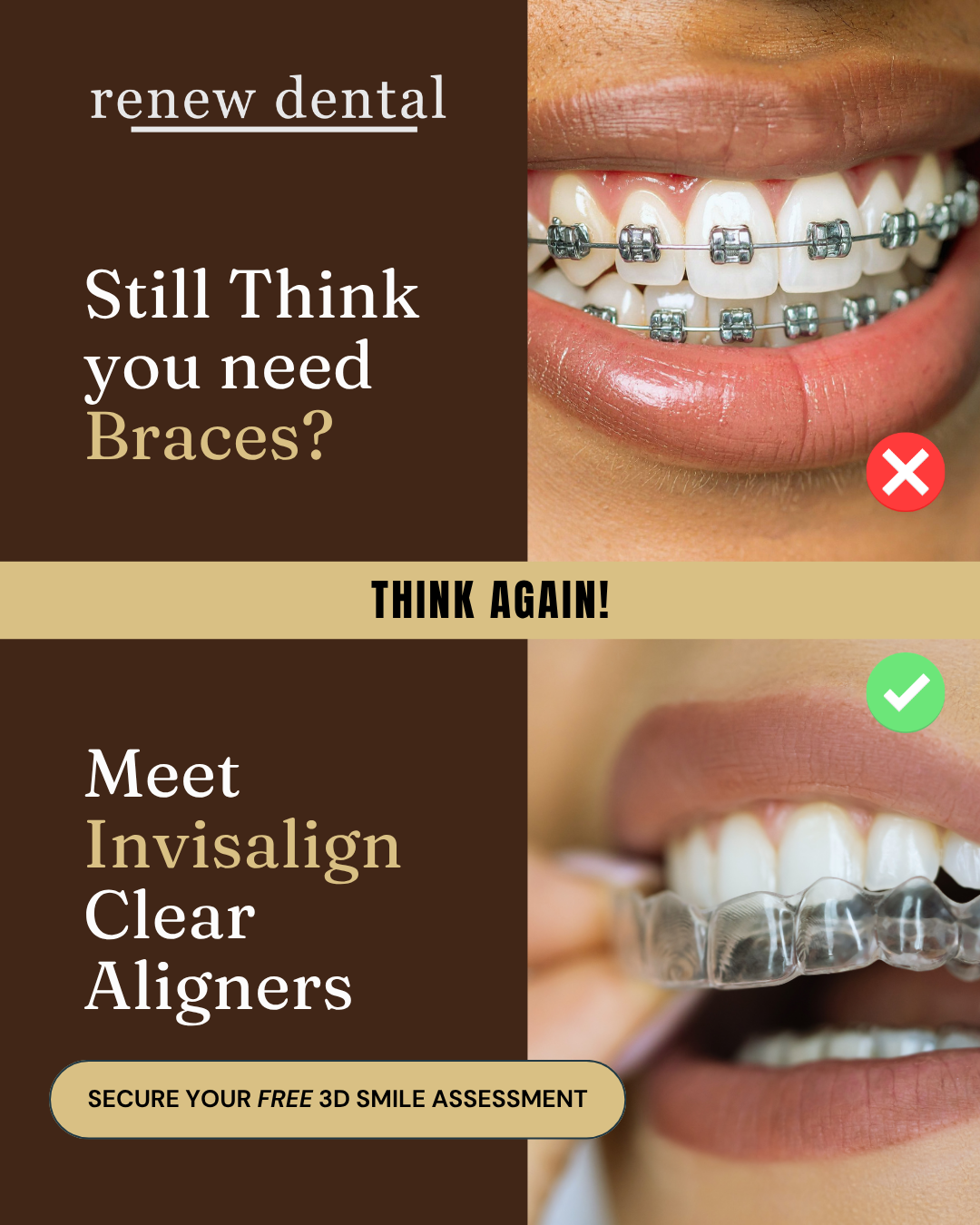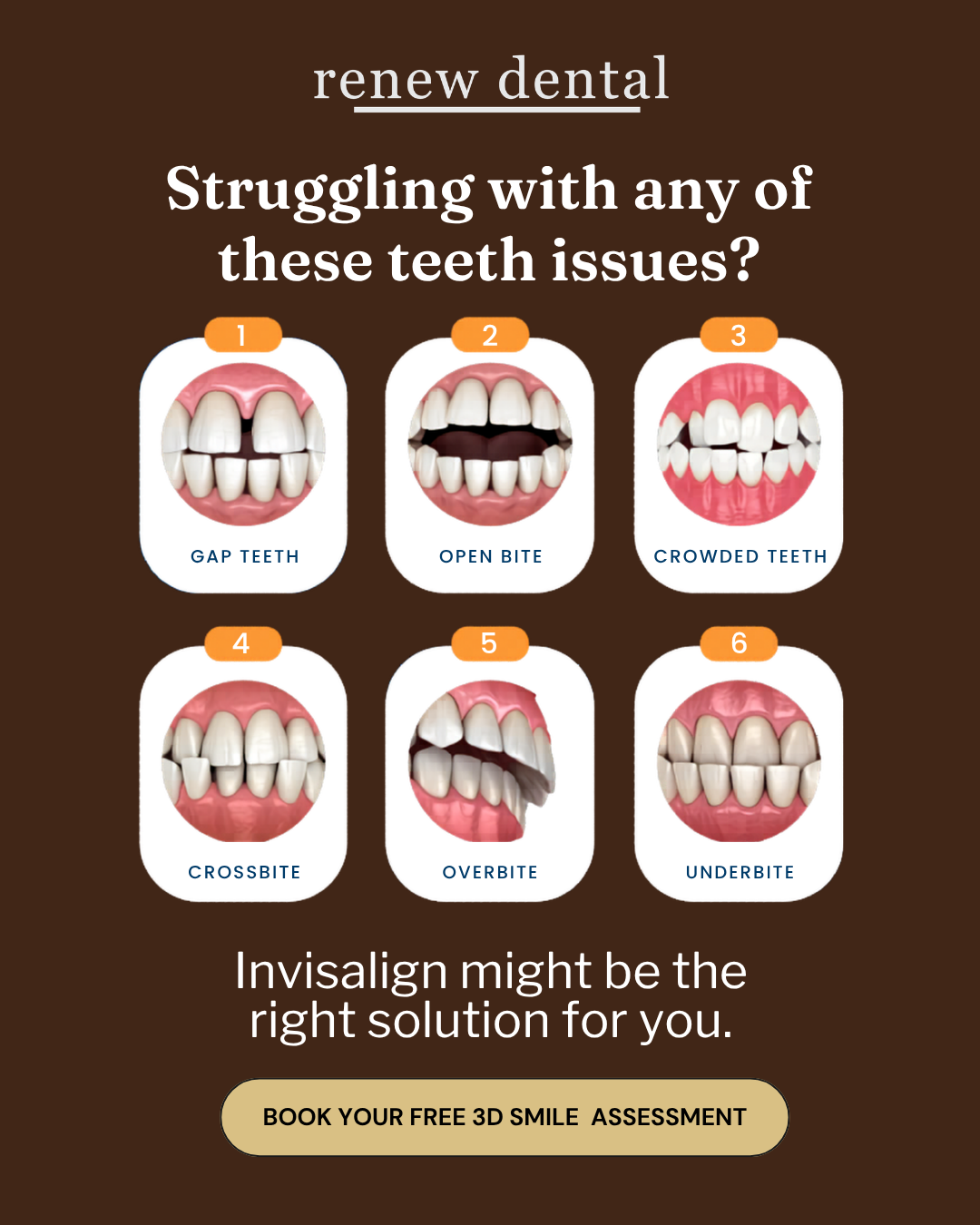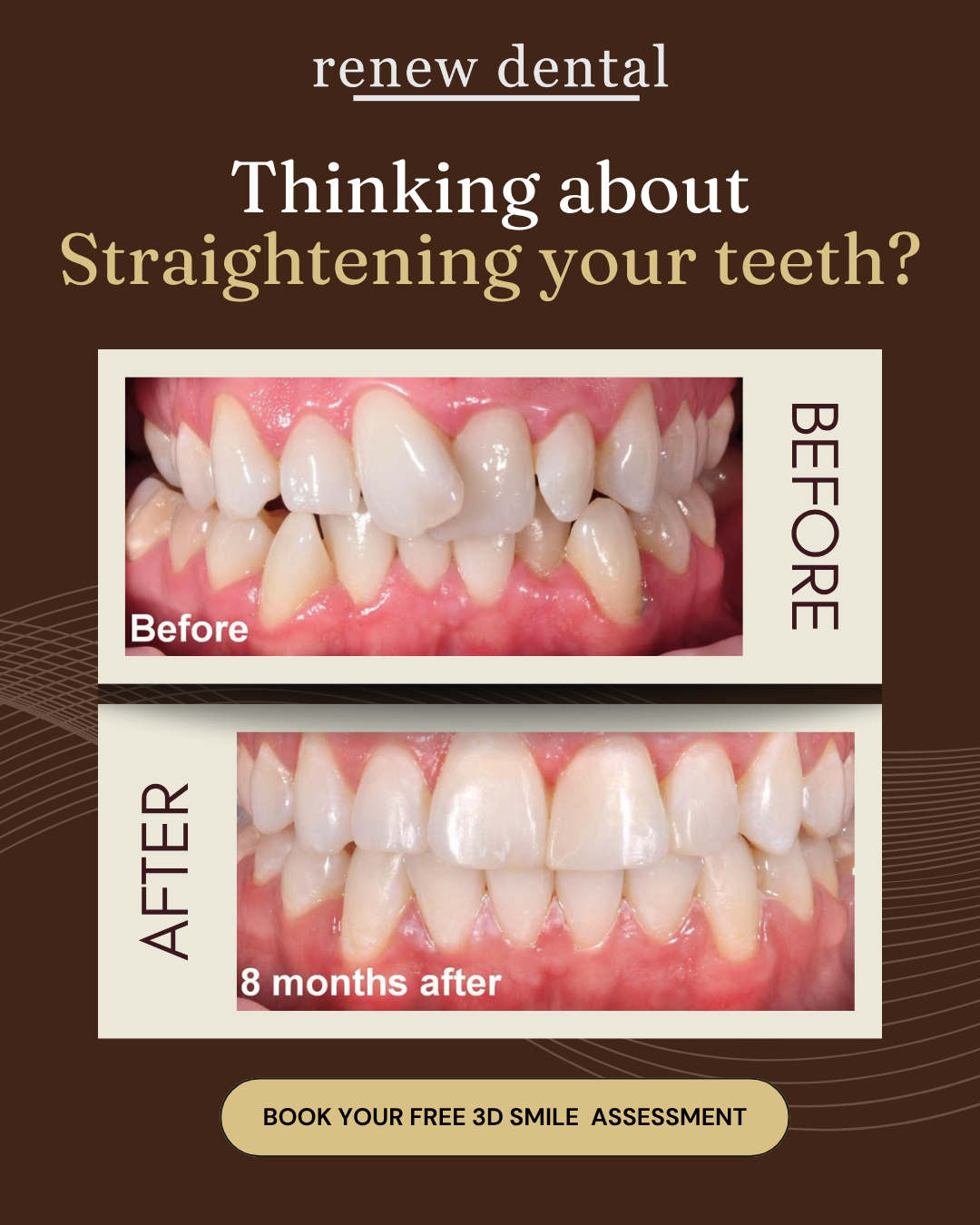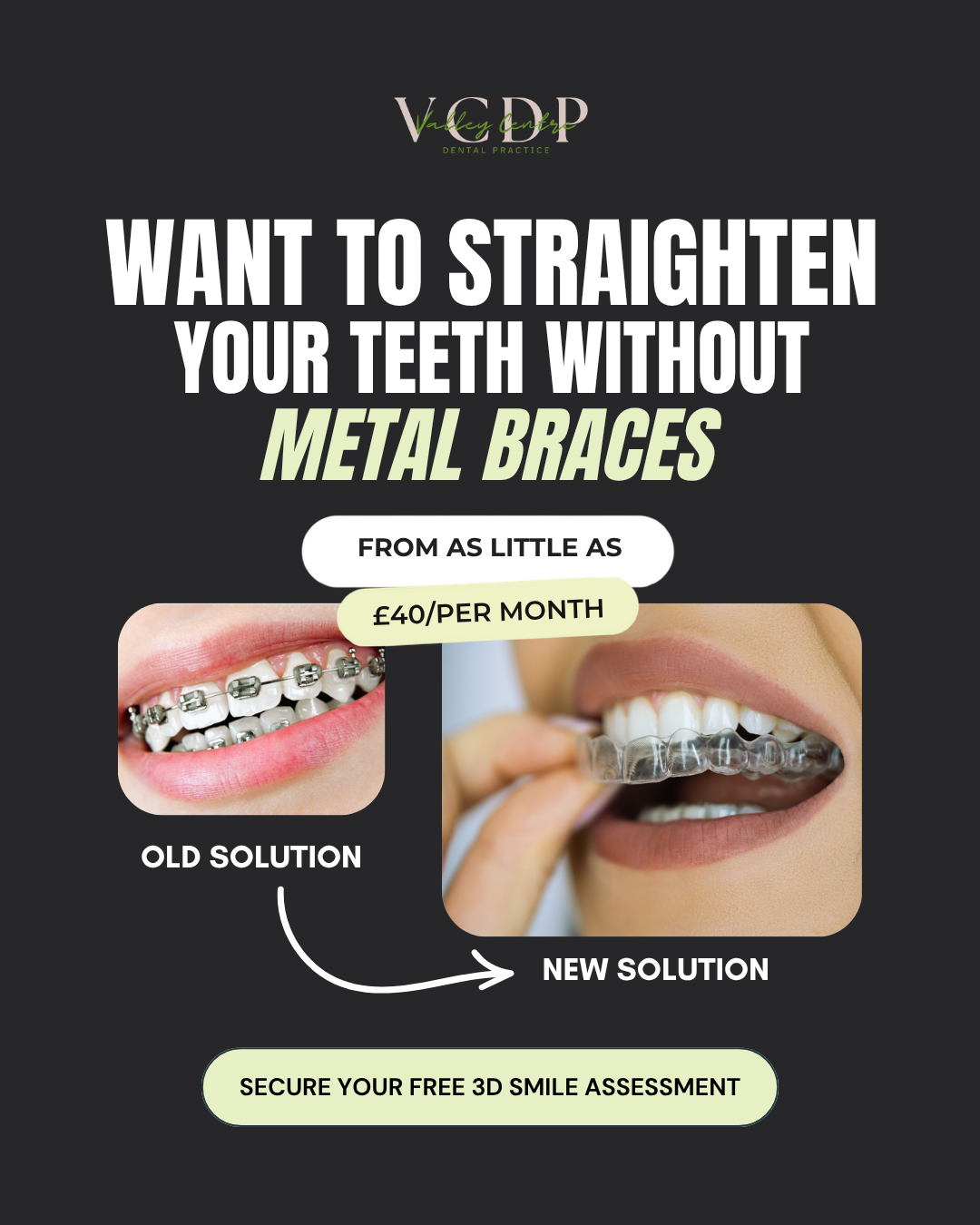
Nobody types “dental implants near me” for fun. Google Ads is the one channel where the patient starts the conversation.
The Bigger Brand is a Manchester-based dental marketing agency that manages Google Ads for private and mixed dental practices across the UK and Ireland, covering search, Performance Max and remarketing. Campaigns target implants, Invisalign, cosmetic treatments and emergency appointments. Conversion tracking is set to booked consultations, not form submissions, and reporting leads with cost per booked case. All ad copy is checked against GDC guidance and ASA rules.
Google Ads puts your practice in front of people at the point they’ve already decided they want treatment. Nobody needs talking into anything. They’ve typed what they want into Google, often with a town name on the end, and they’ll contact whichever practice looks most likely to help.
That makes it the most direct route to new patients there is. You decide which treatments and which areas you show up for, and with the tracking set up properly you can see which searches actually turned into booked cases.
There’s a real difference between the two, and most practices run them as if there isn’t. Someone scrolling Instagram on a Tuesday night wasn’t thinking about their teeth until your ad appeared. You’ve created the want, and that takes good creative and a bit of patience.
Someone typing “emergency dentist open today” has already decided. They’re in pain, on their phone and choosing between the first three results.
One needs persuading and the other needs finding. A click on “dental implants near me” is worth far more than a scroll past a nice photo, so we bid differently, write differently and send those people to completely different pages.

We manage search, Performance Max and remarketing for private and mixed practices across the UK and Ireland, from our base in Manchester.
The core of the account: treatment terms, brand terms and the local searches where people are actively looking. We keep match types tight, so you're not paying for "dental nurse jobs".
The highest intent in dentistry. Someone in pain at 8am isn't shopping around, and if you've got the capacity, this is usually the quickest return in the whole account.

Bidding on another practice's name is legal and common, even if it feels a bit uncomfortable the first time you see it. Someone searching for the practice down the road by name has intent, and no loyalty yet.

Most people who visit your implant page don't enquire that day. Remarketing is why they come back six weeks later rather than going elsewhere.
Useful when it's properly fenced in. Left alone, it'll quietly spend your budget on brand searches you'd have won for free.
Most wasted Google spend in dentistry comes from a handful of problems we see again and again. All of them can be fixed.
It’s the most common problem we find. One account was paying £6 a click to show up for “how to whiten teeth at home”.
If your conversion fires on a form submission, Google learns to find people who fill in forms. That’s a different group from the people who turn up and book.
If a competitor bids on your practice name and you don’t, they pick up your patients at a discount. It happens more often than you’d think.
Someone searching for implants lands on a general page about the practice and has to go looking. You lose a share of them with every extra click.
Dental search costs shift with the seasons, and whenever a competitor changes their spend. An account nobody’s touched since January is almost certainly overpaying.
Here’s what happens from the day we take over your account, and what keeps it improving after that.
We go after intent over volume. There’s a big gap between someone searching “teeth whitening” and someone searching “teeth whitening cost” with their town on the end.
Conversions are set to booked consultations, your phone number gets call tracking, and we import offline data where your practice software allows it. Without this, everything that follows is guesswork.
Implant searchers land on the implant page, with the price and the process explained, not the homepage or a bare contact form.
We’ll often put the price in the ad. A patient who leaves because it’s £2,400 was never going to book, and you’ve just saved yourself the click.
Search term reports, negative keywords and bids get checked weekly, because a Google Ads account starts slipping the moment nobody’s watching it.
Your report leads with cost per booked case, consultations attended and revenue against spend. Impressions and click-through rate are still in there, just further down.
Give us read-only access to your Google Ads account and we’ll show you where the money’s going, which searches are wasting it, and what we’d change first. It’s free.

UK dental practices typically spend between £800 and £3,000 a month on Google Ads budget, not including management fees. Cost per click varies by treatment and location. Implant and full-arch terms are usually the most expensive, while emergency terms tend to convert best. The budget sits in the practice’s own Google Ads account, not the agency’s.
They do different jobs. Google Ads catch patients already searching for treatment, which suits implants, emergency appointments and high-intent local searches. Facebook and Instagram ads create demand among people who aren’t actively looking yet, which suits Invisalign, cosmetic treatments and open days. Most practices get the strongest results running both, with the budget weighted by treatment.
Treatment terms combined with a location, brand terms to protect the practice name, and emergency or same-day terms if you have the capacity. Broad, high-volume terms like “dentist” or “teeth whitening” usually give poor returns without tight match types and a solid negative keyword list. Bidding on competitor names is allowed and often brings in high-intent traffic.
Enquiries usually start in the first week, because the people clicking are already searching. Booked treatments follow the natural decision time for each treatment: emergency and hygiene appointments book within days, while implants and full arch usually take six to twelve weeks. Accounts generally need four to six weeks of data before bidding and keyword decisions become reliable.