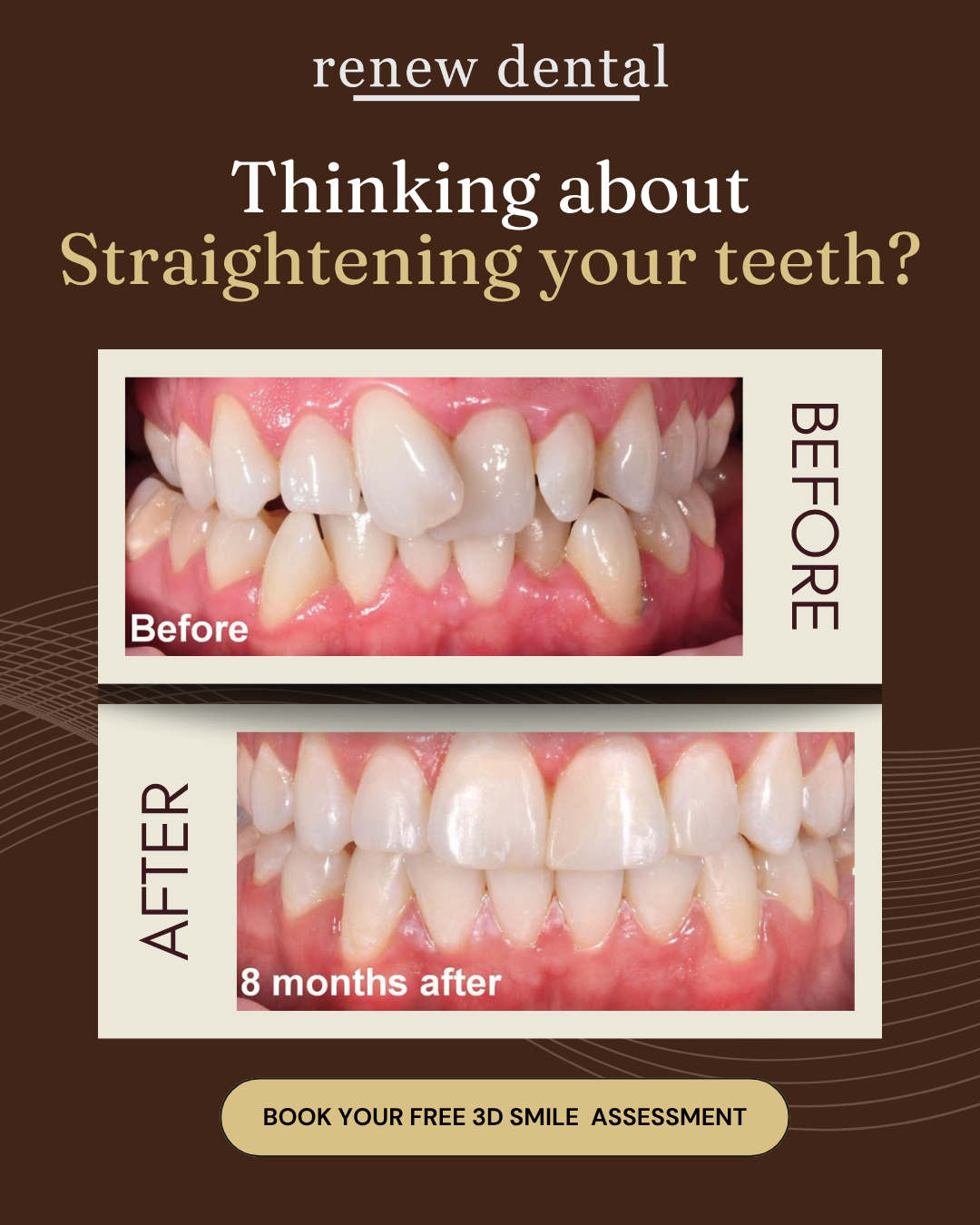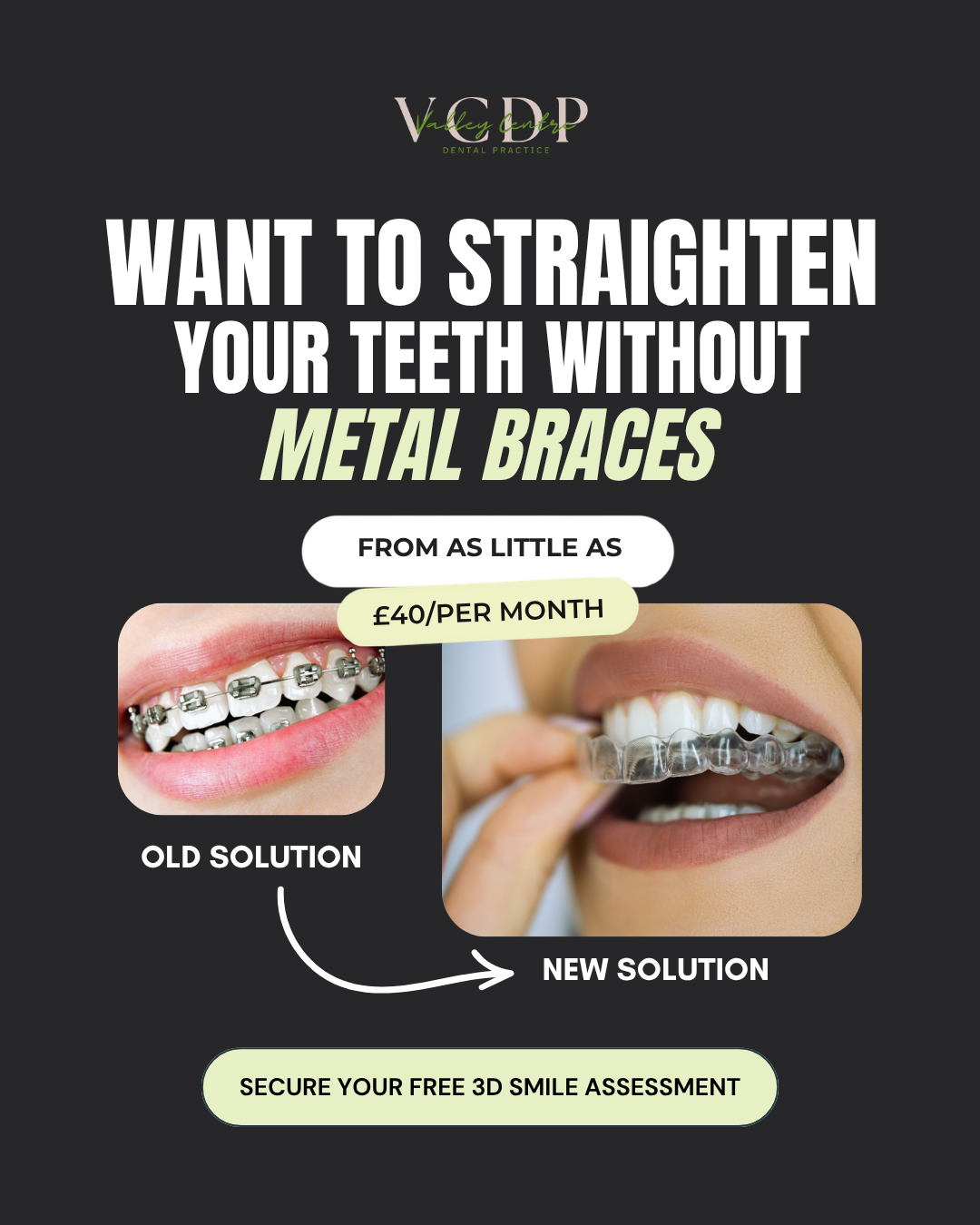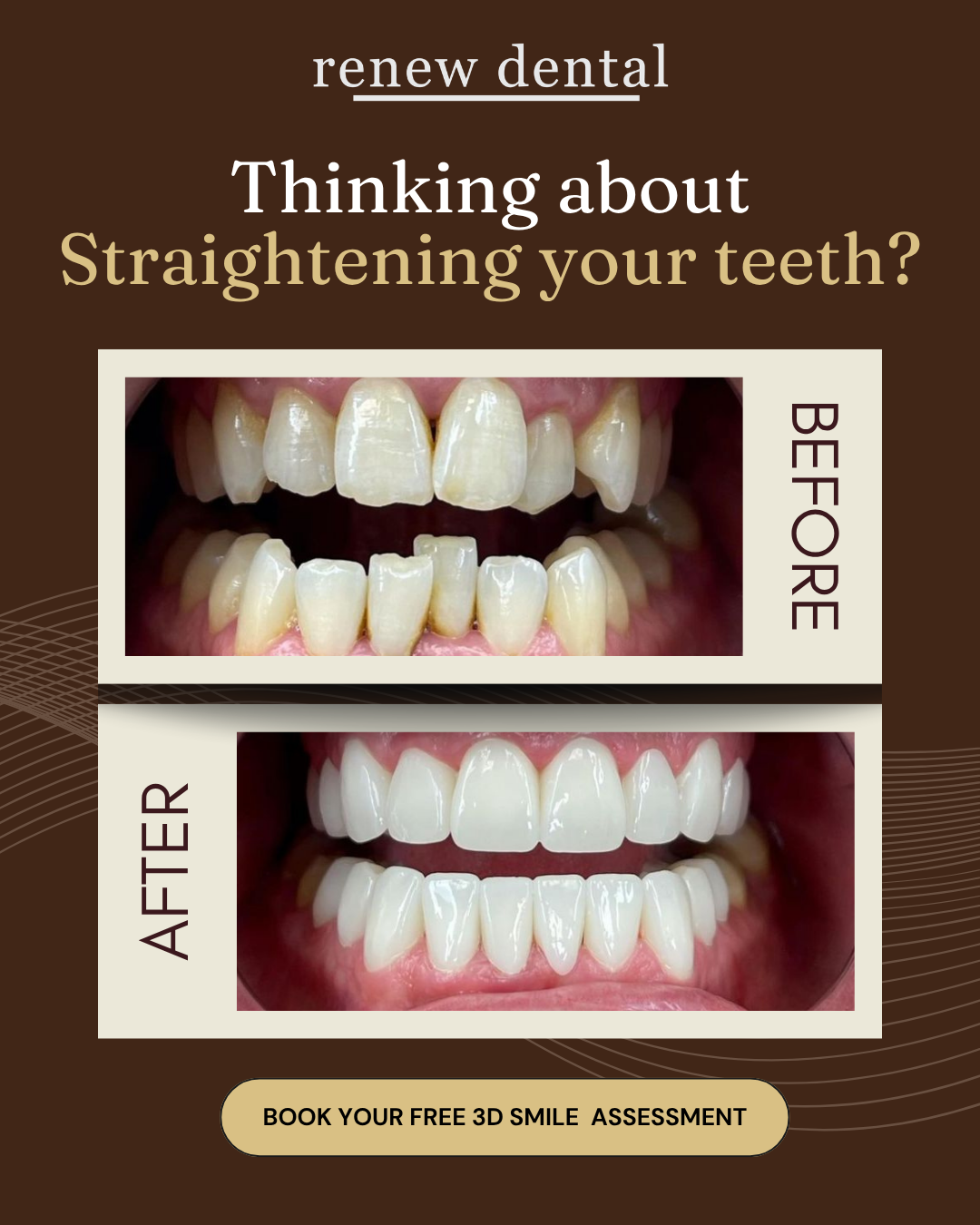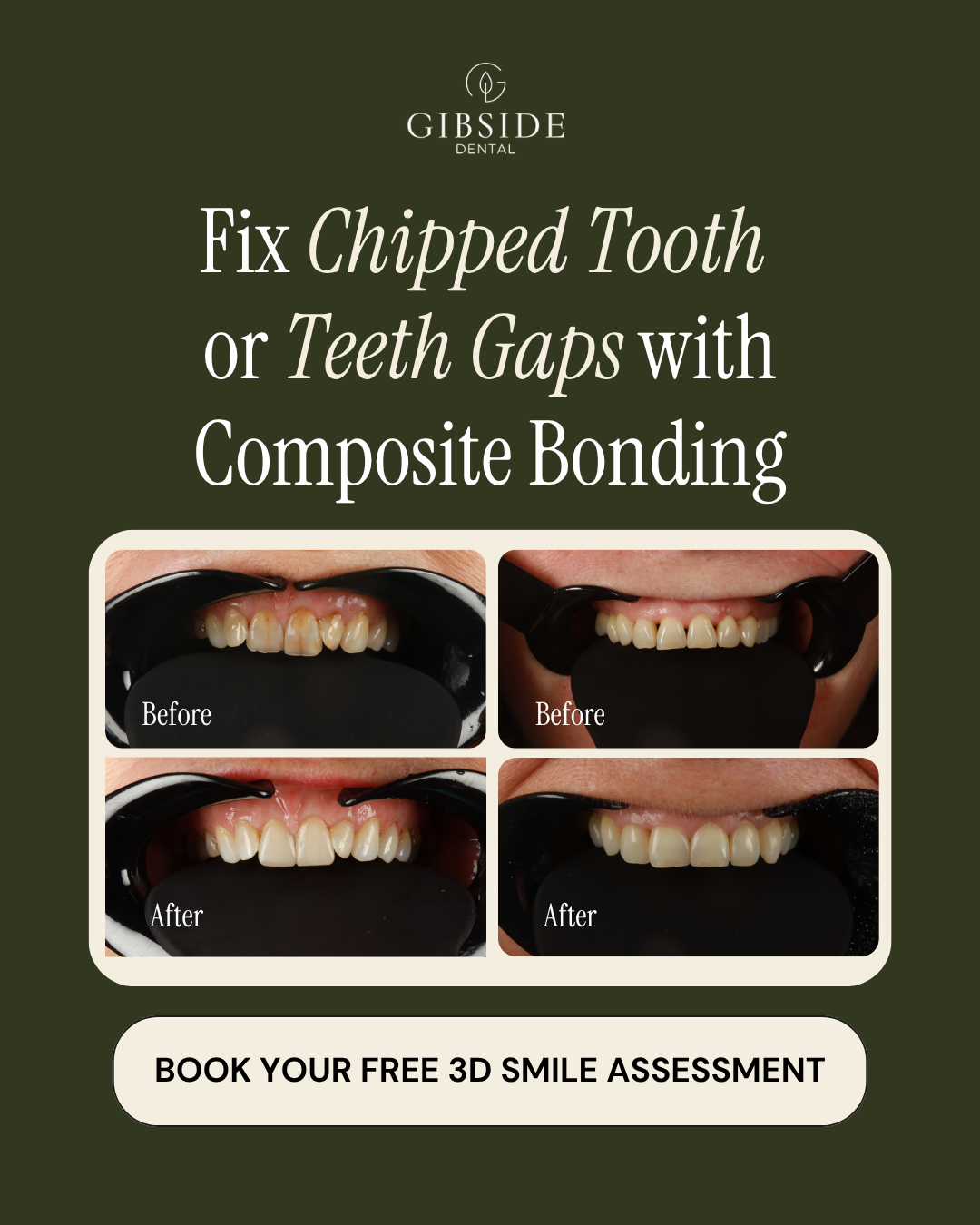
Same-day, visible, affordable and photogenic. If your bonding marketing isn’t working, the treatment isn’t to blame.
The Bigger Brand is a Manchester-based dental marketing agency that runs composite bonding marketing for private and mixed dental practices across the UK and Ireland. The work covers paid advertising, treatment page content, photography, video and consultation follow-up, aimed mainly at 18 to 35-year-olds who research bonding on social media. Every before-and-after image is used with documented patient consent, in line with GDC guidance and ASA rules.
For a lot of people in their twenties and early thirties, bonding is the first private dental treatment they’ve ever paid for. Your practice may well be the first one they’ve chosen for themselves, so getting that visit right gives them every reason to stay.
It rarely stays a single treatment, either. Once someone starts paying attention to their smile, whitening, alignment and maintenance tend to come up, so a well-run bonding campaign feeds the rest of the practice too.
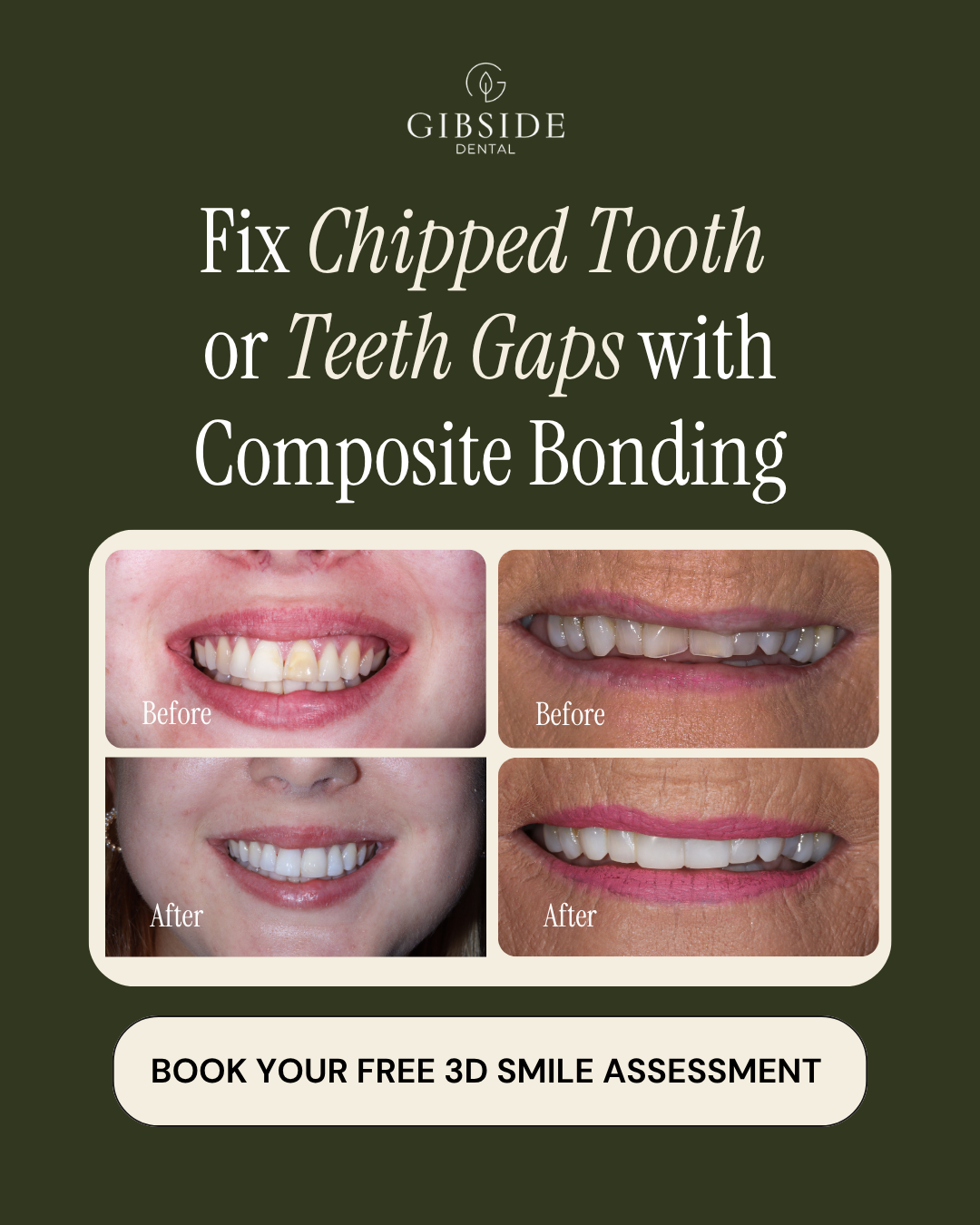
Think about what bonding actually is from a marketing point of view. It’s done in one visit, with no drilling in most cases. It’s reversible, visible immediately, and costs a few hundred pounds rather than several thousand. On top of that, the before-and-after is dramatic in a still photograph.
No other treatment in general dentistry has that combination.
So the practices doing well with bonding don’t rely on clever advertising. They post good photographs consistently, to an audience of 22 to 34-year-olds who are already looking at teeth on their phones every day.
The ones struggling are usually running it through Facebook to a 45-plus audience, with clinical photos taken under surgery lighting on somebody’s phone.
Same treatment, same fee, completely different result.

Small chips, uneven edges or a tooth that's always bothered them. Quick, affordable and high-volume, and often your way in with someone who's avoided dentists for years.
Diastema closure. It's often something they've been self-conscious about since school, so it's emotional, and they convert fast once they realise it's a single appointment.
They looked at porcelain, saw the price and found bonding. They want to know how long it lasts, whether it stains and whether it's a compromise. Answer honestly and you'll win them.
They've just finished Invisalign and the teeth are straight, but the edges aren't even. This is your best bonding lead, and it's already in your diary.
More than any other treatment, bonding lives or dies on the quality of the image.
A brilliant case photographed badly looks like an average case. An average case photographed well books patients.
That means consistent lighting, the same angle before and after, no filters, retraction where appropriate, and the same background every time. The consistency is what makes a series of cases look like a body of work rather than a phone camera roll.
This is also where compliance bites hardest, because the temptation to brighten an image is considerable, and it’s exactly what the ASA looks for.
We shoot it properly on the content day and build the library over time. After six months you have a real portfolio, and the marketing largely runs itself.
Every bonding patient asks how long it lasts. A lot of practices give a vague answer and lose them.
Composite typically lasts five to ten years. It can stain over time, particularly with coffee, red wine and smoking, and may need polishing or repair. Porcelain lasts longer and resists staining, but needs irreversible preparation and costs three to four times as much.
Saying that plainly does two things. It sets an expectation you can meet, which prevents an unhappy patient in year four, and it makes the patient trust everything else you’ve told them.
Practices that oversell how long bonding lasts generate complaints. The ones that explain it generate repeat patients.
Before-and-after photographs need documented patient consent covering the specific channels they’ll appear on. They must be real cases, and mustn’t be edited, filtered or lit in ways that misrepresent the result.
There can be no suggestion of typical or guaranteed outcomes, and no cosmetic marketing aimed at under-18s. Advertised prices must include the full cost, so “bonding from £150” needs to reflect a single-tooth option that’s actually available.
Every advert and page is checked before it goes live.
This audience isn’t on Facebook. We use vertical video, transformation reels, and the actual appointment filmed in fast-forward.
It’s an affordable treatment, and that works in your favour. Hiding the price throws away the main reason someone would choose it over veneers.
Half the anxiety comes from not knowing what happens. Ninety seconds of the process takes it away.
Six, eight or ten teeth, with a clear price for each. Most patients don’t know how many they need and freeze when asked to decide.
Every Invisalign patient finishing treatment is a bonding conversation. Build it into the process rather than hoping the clinician remembers.
Bonding enquiries convert quickly compared with implants, but a fair number still stall on cost for a few weeks. A short follow-up sequence picks most of them up.
We’ll review your bonding marketing, photography and pricing, and show you what’s holding it back. It’s free.

Composite bonding in the UK typically costs between £150 and £400 per tooth, with most practices quoting packages for six, eight or ten teeth. A full upper arch of eight to ten teeth commonly ranges from £1,200 to £4,000. Costs vary with case complexity and the clinician’s experience, and advertised prices must include the full cost of treatment.
Composite bonding typically lasts between five and ten years with good maintenance. It can stain over time, particularly with frequent coffee, tea, red wine or smoking, and may need polishing, repair or replacement. Porcelain veneers generally last longer and resist staining, but cost more and need irreversible preparation of the tooth.
Composite bonding patients are typically aged 18 to 35 and research on Instagram and TikTok rather than through search. Practices generally succeed by posting consistent, well-photographed real cases, publishing clear per-tooth and package pricing, showing the appointment process on video, and offering bonding to patients finishing orthodontic treatment.
Neither is better for everyone. Composite bonding costs less, is done in a single visit and is reversible, but doesn’t last as long and can stain. Porcelain veneers last longer, resist staining and hold their colour better, but cost three to four times as much and need permanent removal of tooth structure. Suitability should be assessed individually.