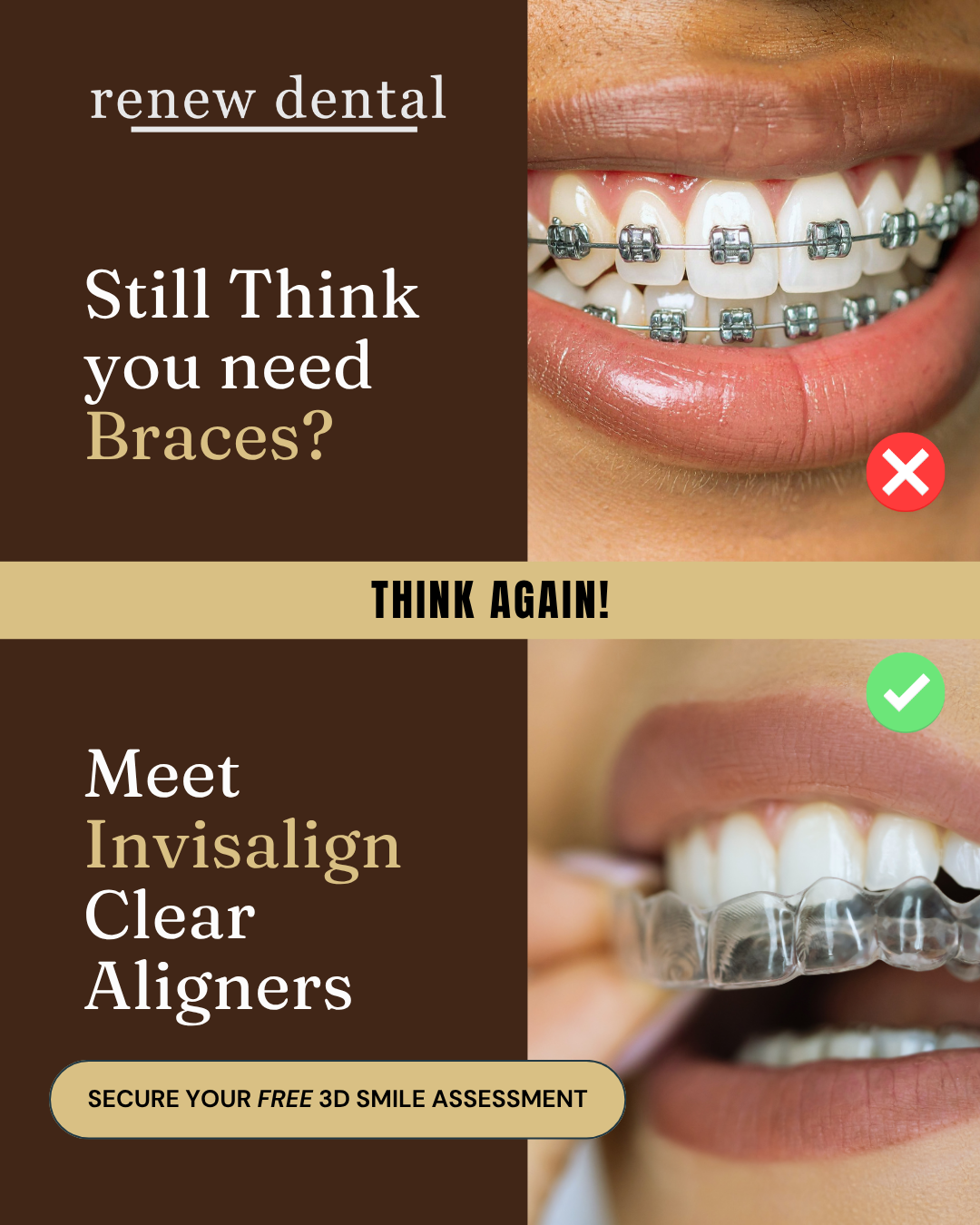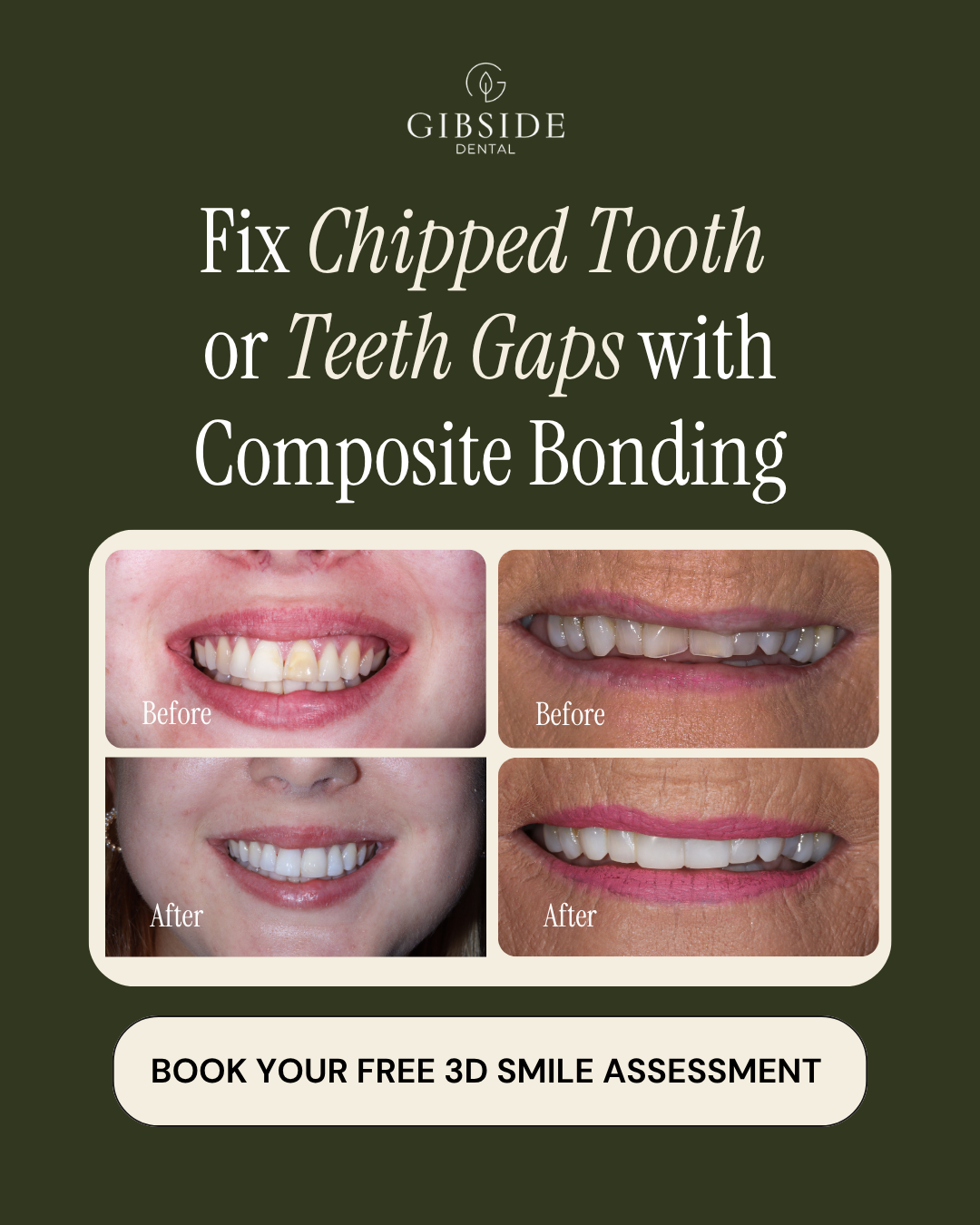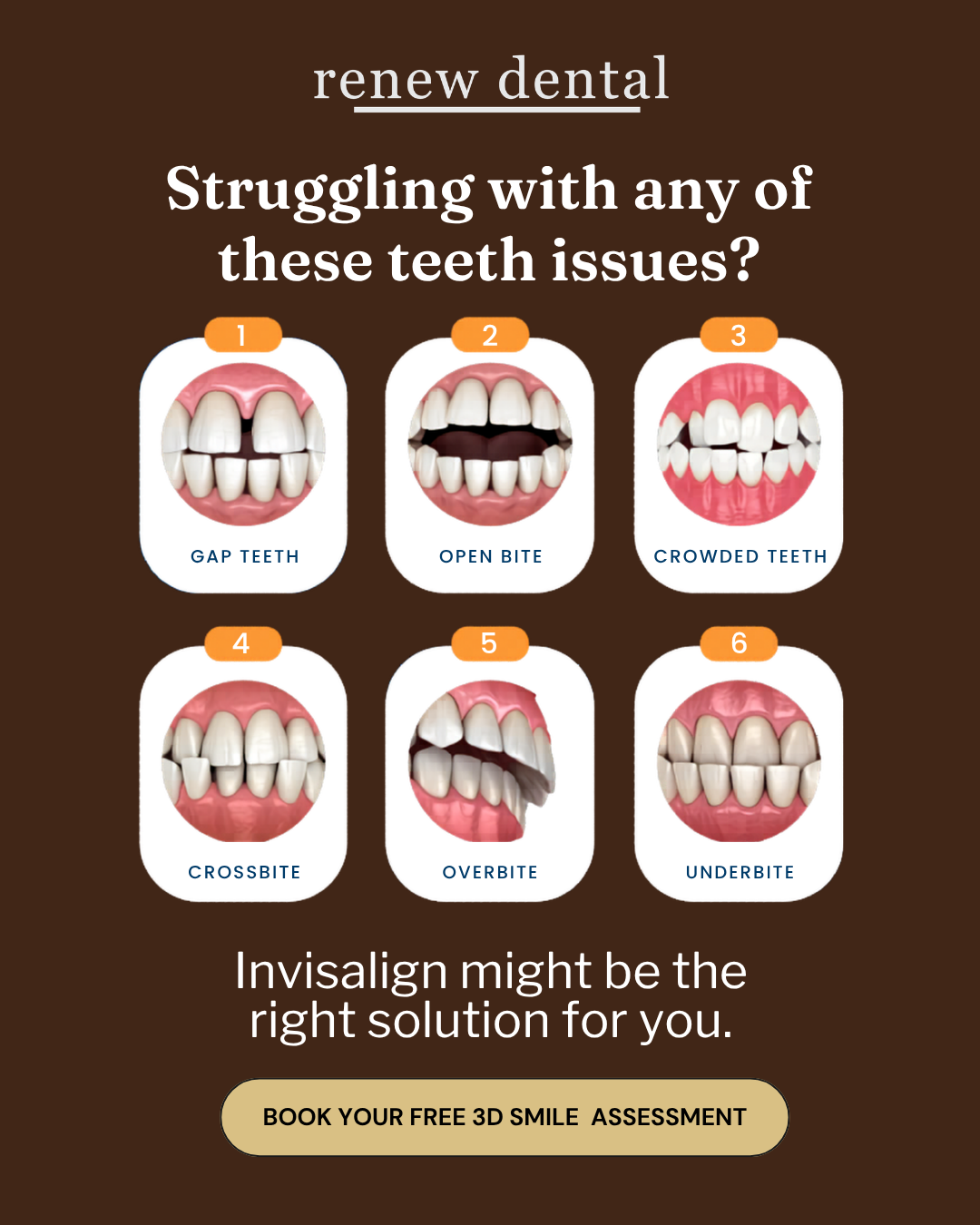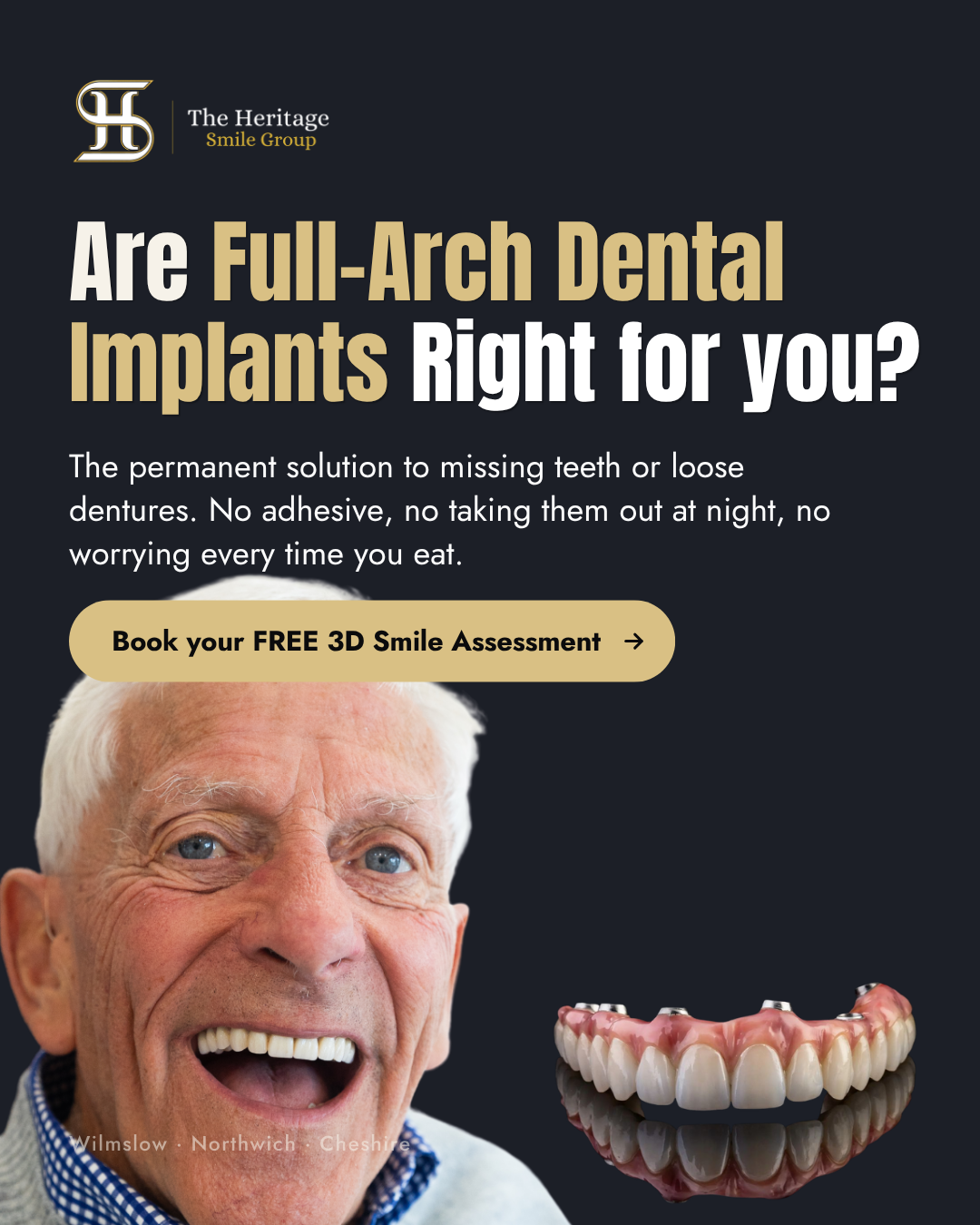
A 38-year-old booking for herself and a mum booking for her 13-year-old need different campaigns. Most practices run them as though they don’t.
The Bigger Brand is a Manchester-based dental marketing agency that provides orthodontic marketing for general and specialist orthodontic practices across the UK and Ireland. The work covers adult and adolescent campaigns, clear aligners and fixed braces, referral growth from general practices, and NHS-to-private positioning. All advertising follows ASA rules, including the restriction on testimonials in clear aligner promotion, and the GDC rules on who can use the title "specialist".
Orthodontic treatment brings people in and keeps them coming back. A course runs for months with regular appointments along the way, so one enquiry becomes a long relationship with your team rather than a single visit.
It’s also a treatment people choose carefully, because the cost runs into thousands. Most routine dentistry goes to whoever the patient has always seen. Orthodontics gets compared, which is why clear, well-aimed marketing makes more difference here than almost anywhere else in the practice.
Two people enquire in the same week.
One is a mother whose dentist mentioned crowding at her son’s check-up. She’s comparing practices on convenience, cost and whether the appointments will mean taking him out of school. It’s a practical decision, made for somebody else.
The other is 38 and has hated her bottom teeth since she was 19. She’s been looking at your Instagram for four months without enquiring. She has no idea whether adults still do this, and she feels faintly ridiculous asking.
It’s the same treatment with completely different fears behind it, and each needs its own platforms, language and landing page.
Run one campaign for both and you end up writing something vague enough to fit either, which persuades neither.

Mostly 25 to 45, mostly appearance-led and mostly female. They use Instagram and search, and do months of quiet research before enquiring. This is your biggest growth opportunity and the one most practices under-serve.
Often arrives via the family dentist. The decision is about logistics, cost and treatment length, and convenience beats appearance.
Long waits, IOTN thresholds, and often a decision to go private out of frustration rather than preference. They need a clear, honest explanation rather than a sales pitch.
Not a patient at all, and for specialist practices this is the whole business. It needs different marketing entirely, and almost nobody does it deliberately.
Most specialist orthodontic practices get their patients from other dentists, and market to patients anyway.
The referring dentist has a completely different set of concerns. Will the patient come back to them afterwards? Will they hear anything about the case? Will the practice try to sell their patient a hygiene plan and a whitening course while they’re there?
What works is unglamorous: a referral process that takes 90 seconds rather than a paper form, updates back to the referrer without them having to chase, and treatment feedback they can put in their own notes. Add occasional training for their team on what’s worth referring and what isn’t.
It’s slower than advertising and far more durable. One general practice referring steadily for six years is worth more than any campaign.
It’s worth being precise about, because it’s the easiest compliance breach in orthodontic marketing.
Only clinicians on the GDC specialist list for orthodontics may be described as a specialist orthodontist. A general dentist providing orthodontic treatment, however experienced, can’t use the word.
“Specialist in orthodontics”, “orthodontic specialist” and similar phrases all fall under this. “Dentist with a special interest in orthodontics” is the permitted alternative where the register doesn’t apply.
We check registration before writing anything and use the correct wording throughout. It’s your registration at risk, not ours.
Adults are reached on Instagram, with vertical video and faces. Parents are reached on Facebook and search, with practical information about cost, timings and appointments. Each gets its own budget and its own page.
Orthodontics is a multi-thousand-pound decision paid monthly. If the monthly figure isn’t visible, adults rule you out before they enquire.
Adults rarely want to know how it works. What they’re really asking is whether people will notice, whether it’s too late, and whether this is a normal thing to do at their age. Answer that, and the clinical questions become easy.
That means documented consent, real cases, no filters and no implied typical results. And no testimonials at all in clear aligner advertising.
For specialist practices, that’s a referral portal, structured updates and periodic contact with referring practices, treated as a proper channel with its own reporting.
New creative goes live every fortnight. Anything that isn’t pulling its weight gets switched off quickly rather than sitting there eating budget.
Adult orthodontic enquiries often convert six months after first contact, usually prompted by an event. Practices without follow-up never see them.
We’ll look at how you’re reaching adults, parents and referring dentists, and show you which of the three you’re leaving on the table. It’s free.

Private orthodontic treatment in the UK typically costs between £1,500 and £5,500 for clear aligners, with an average of around £3,244, and £2,500 to £5,000 for fixed braces. Costs vary with case complexity and treatment length. NHS orthodontic treatment is available to under-18s who meet the clinical need threshold, although waiting lists are often long.
No. “Specialist orthodontist” and equivalent terms are protected under GDC rules and may only be used by clinicians on the GDC specialist list for orthodontics. General dentists who provide orthodontic treatment may say they have a special interest in orthodontics, but mustn’t use the word specialist in any form.
Adult orthodontic patients generally respond to visual content on Instagram, published price ranges with monthly finance figures, and content that makes adult treatment feel normal. Their motivation is usually about appearance and decisions often take several months, so sustained follow-up matters. Campaigns aimed at parents rarely reach adults effectively, because the platforms and messaging are different.
By making the referral process quicker, sending consistent case updates to referring practices, reassuring them that patients return to the referring dentist for general care, and offering occasional training to referring teams. For specialist practices, referral relationships usually produce more durable case volume than patient-facing advertising.