They do it because of a photograph, a video call, or something somebody said in 2011. Market to that and the rest follows.
The Bigger Brand is a Manchester-based dental marketing agency that runs cosmetic dentistry marketing for private and mixed dental practices across the UK and Ireland, covering veneers, composite bonding, teeth whitening, smile makeovers and combination treatment. The work includes paid advertising, treatment page content, photography, video and consultation follow-up. Every before-and-after image is used with documented patient consent, in line with GDC guidance and ASA rules.
Cosmetic treatment is almost entirely elective. Nobody arrives because their check-up flagged something, so the patients who book with you are there because your marketing reached them. That makes it the area of private dentistry where marketing has the most direct effect on what ends up in the diary.
It’s also where patients have the widest choice. Veneers, bonding and whitening are on offer from practices on every high street and clinics abroad, and people compare them all from the sofa. The practices that get the call are the ones that explain themselves clearly and look like somewhere the patient could actually walk into.
Somebody covers their mouth when they laugh. They’ve done it for fifteen years, so automatically that they no longer notice.
They turn their camera off on Teams. They’ve got a smile they do for photographs that doesn’t show their teeth, and they’ve practised it.
None of this comes up when they ring you. They’ll ask about veneers and mention a wedding.
That’s the gap most cosmetic marketing falls into. It advertises the treatment, when the patient is buying the feeling of not having to do any of that any more.
So we don’t lead with materials, techniques or how many years your clinician has been placing veneers. We lead with the thing they can picture, and we make the first step feel small, because for a lot of these patients walking through the door is the hardest part of the whole treatment.

Usually under 35, budget-conscious, and found you on Instagram. They decide fast, come in high volume and often return for whitening later.
They've researched for a long time, often with Turkey as a comparison, and they're quietly worried about looking overdone. Reassurance about restraint matters more to them than any before and after.
The gateway treatment. It's cheap, quick and the easiest way into a practice for someone who's been avoiding dentists generally. Never treat it as low value.
Six months of thinking, several thousand pounds, and usually a specific event or moment behind it. It's the longest conversation and the biggest case.
Every cosmetic practice in the UK and Ireland is now competing with a flight and a hotel.
Pretending it isn’t happening doesn’t work. Slagging it off works even worse, because it makes you sound threatened, and patients have already read the Reddit threads.
What does work is answering it directly. Who looks after them when something goes wrong in eighteen months, and who fixes it? What’s the actual total cost once you’ve priced in the flights, the time off and the follow-ups? Why does conservative preparation matter, and what happens to a tooth you can’t undo?
We build that into the page rather than dancing around it. The patient is already thinking it, so you may as well be the one who brings it up.
Cosmetic dentistry carries more advertising restrictions than any other area of general practice.
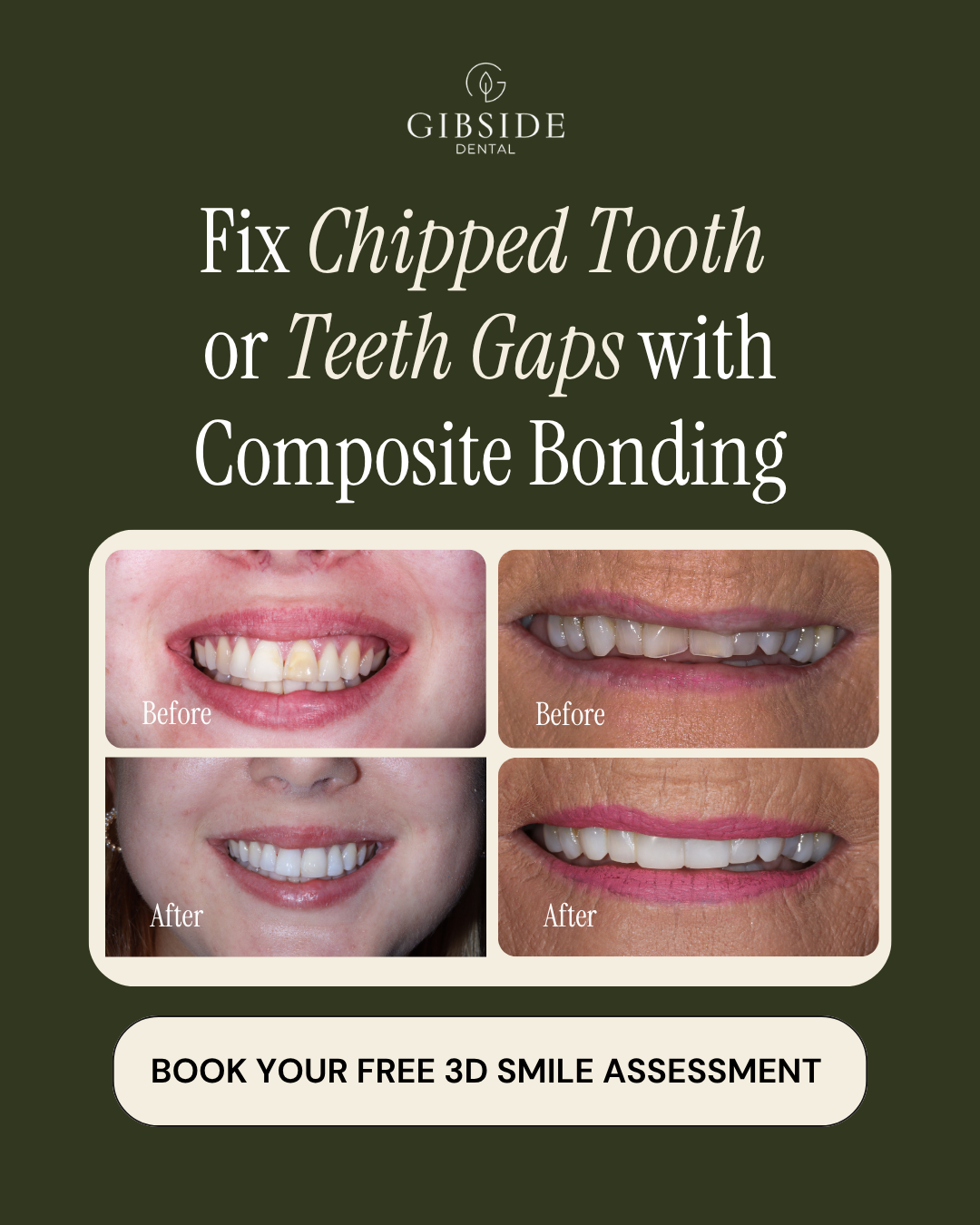
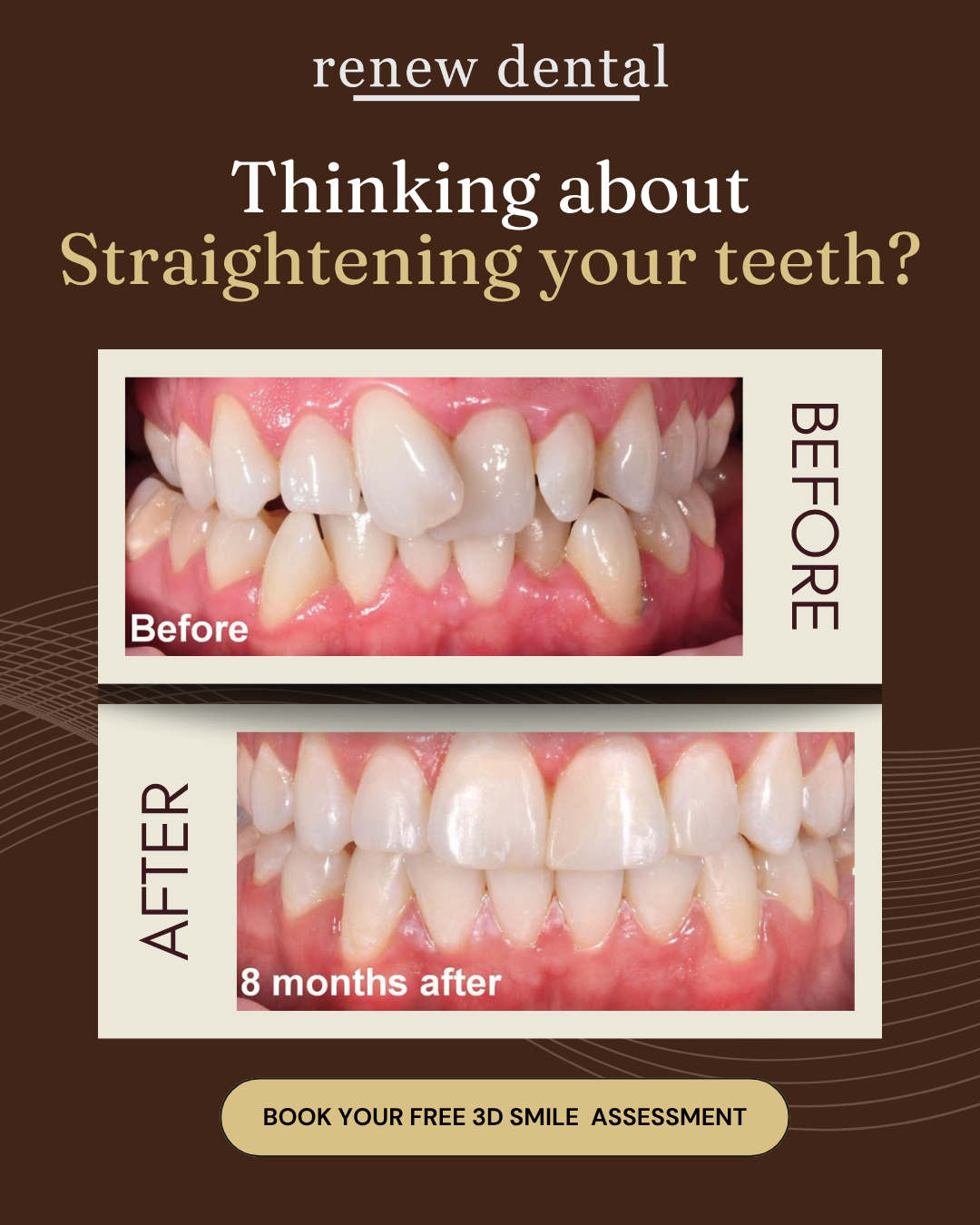
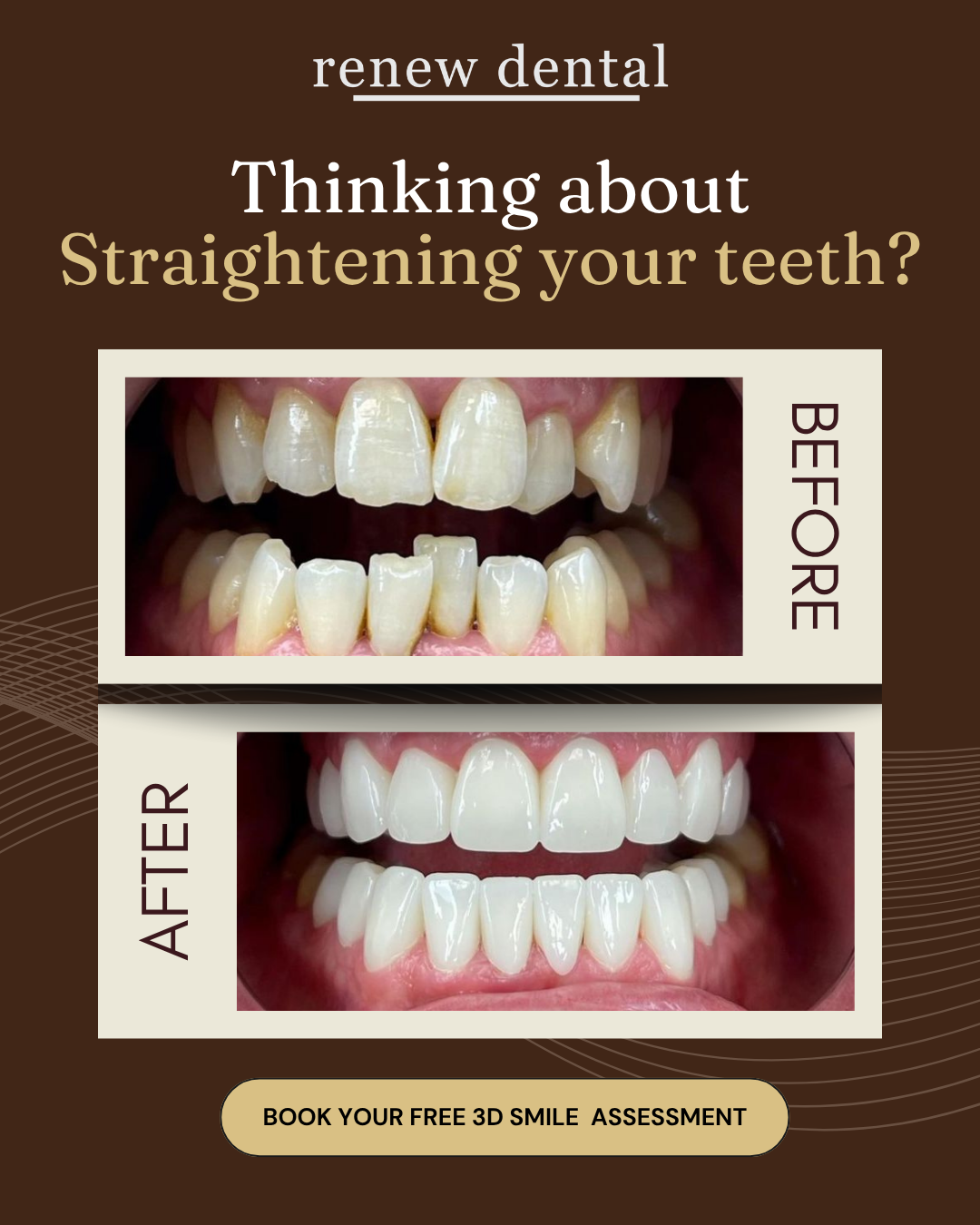
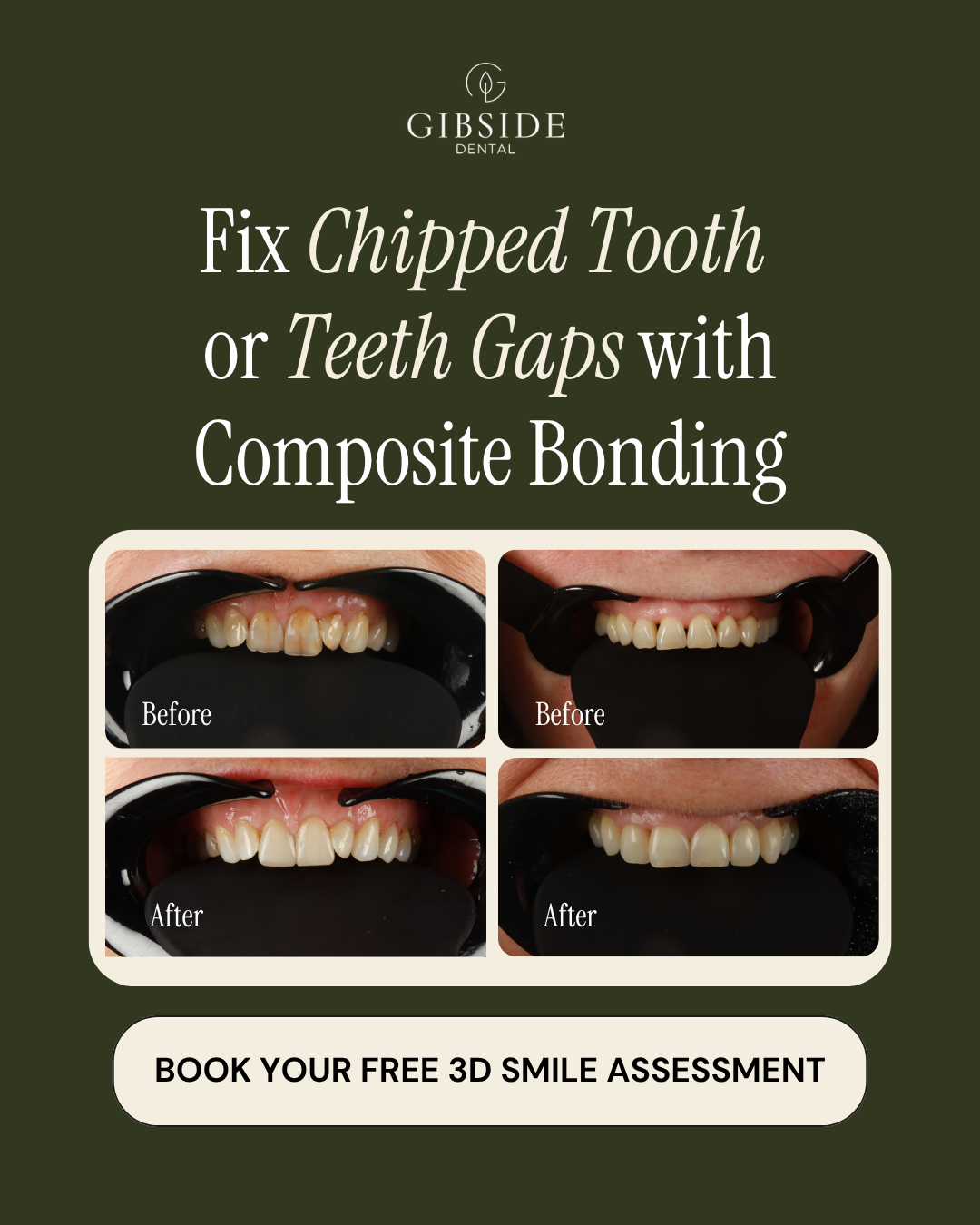
Before-and-after photographs need documented consent covering the specific channels they’ll appear on. They must be real cases, mustn’t be edited or filtered in a way that misrepresents the result, and mustn’t suggest typical or guaranteed outcomes.
“Perfect smile”, “flawless”, “life-changing” and similar phrases all carry risk. So does any cosmetic imagery aimed at under-18s.
Every advert and page is checked before it goes live.
Cosmetic marketing lives or dies on image quality. Phone snaps under surgery lighting undersell good clinical work, so we shoot with consistent lighting, angles and backgrounds, and a real result looks like one.
Bonding and whitening belong on Instagram and TikTok, with fast vertical video and faces. Veneers and makeovers convert better through search, because those patients do their research.
Cosmetic patients rule you out on silence. A range with monthly finance beside it keeps you in the comparison.
A consultation, a smile assessment or a fifteen-minute call. Someone who has avoided dentists for a decade isn’t going to book £8,000 of treatment from an advert.
Whitening patients often want bonding. Bonding patients often want alignment first. The treatment coordinator conversation is where most of this value appears or disappears.
Cosmetic enquiries stall and then restart, usually prompted by an event. Practices without follow-up lose most of them for good.
We’ll review your cosmetic marketing, imagery and pricing against the practices you’re up against, and show you what we’d change first. It’s free.

It varies widely with the treatments involved. Composite bonding typically costs £150 to £400 per tooth, porcelain veneers £500 to £1,200 per tooth, and professional whitening £250 to £400. A full upper arch of veneers commonly ranges from £5,000 to £12,000. Most practices offer interest-free or low-interest finance over 12 to 60 months.
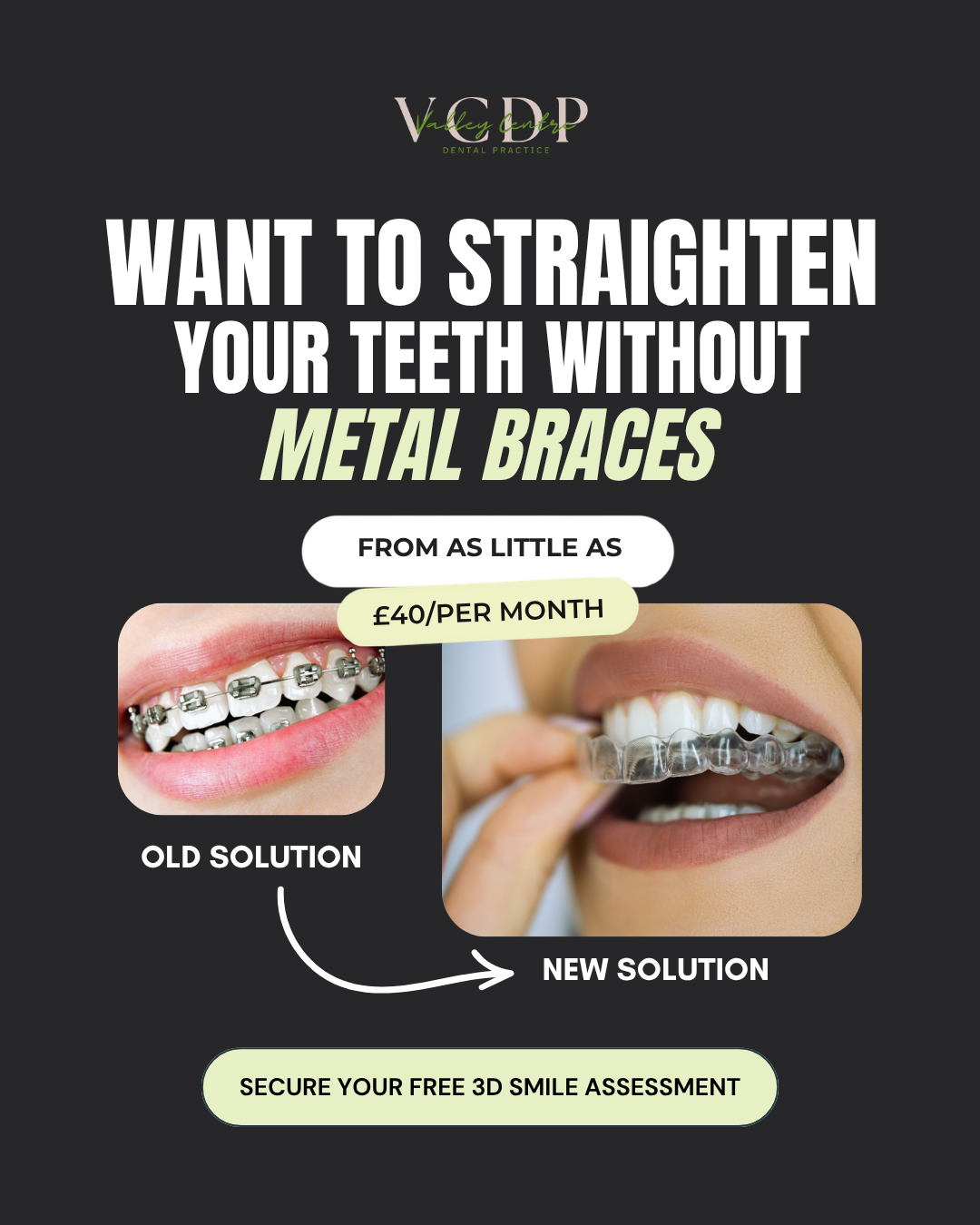
Yes, with documented patient consent covering the channels the images will appear on. Images must show real cases, mustn’t be edited or filtered in ways that misrepresent the result, and mustn’t suggest typical or guaranteed outcomes. Extra restrictions apply to clear aligner advertising, where testimonials aren’t permitted.
Cosmetic patients generally respond to visual content showing real results, video led by the clinician, published price ranges with finance options, and a low-commitment first step such as a consultation or smile assessment. Their motivation is usually about appearance rather than clinical need, and many research for months before enquiring, so long-term follow-up is usually needed.
Composite bonding costs less upfront, at £150 to £400 per tooth, and is reversible, but typically lasts five to ten years and can stain over time. Porcelain veneers cost £500 to £1,200 per tooth, last longer and resist staining, but need irreversible tooth preparation. Which suits a patient depends on their clinical situation and should be assessed individually.