They’ve usually been thinking about it for years. Marketing that chases a click this week will miss them entirely.
The Bigger Brand is a Manchester-based dental marketing agency that runs implant marketing for private and mixed dental practices across the UK and Ireland. The work covers paid advertising, treatment page content, local search and long-term follow-up, built around the long decision times typical of implant treatment. Single implant, multiple implant and full-arch cases are marketed separately, and results are reported as consultations attended and cases started.
For most practices that place them, implants are among the highest-value treatments on the list. A few more cases a month can change what the whole practice earns, and they make proper use of a clinician you’ve already invested in.
Implant patients don’t pick a practice from a price list, though. They’re choosing someone they trust enough to operate on them, so the marketing has to earn that trust well before anyone books a consultation.
Somebody loses a tooth at 34. They get a bridge, or they leave the gap because it’s at the back and nobody can see it.
At 41 the bridge starts giving them trouble. They start googling late at night and close the tab when they see the price.
At 46 they avoid a photograph at a family wedding, and something shifts.
That’s your implant patient. They didn’t appear as a lead on Tuesday. They’ve got a decade of quiet avoidance behind them, and a price tag they’ve already half talked themselves out of.
That’s why a campaign built to convert this week gets nowhere. The cost per enquiry looks fine, the bookings never arrive, and everyone decides implants don’t work on Facebook.
They work brilliantly. They just need patience, a price, and something to keep the conversation going while the patient makes up their mind.

Running all three through the same campaign is why most implant advertising underperforms. They search differently, worry about different things, and need their own budget and landing page.
Usually younger, usually after a failed bridge, a crown or an old extraction. They're comparing options, they're price-sensitive, and they're fairly quick to decide once they start looking.
Often mid-treatment on something else, and frequently referred internally. Your existing patient list matters more here than any advert.
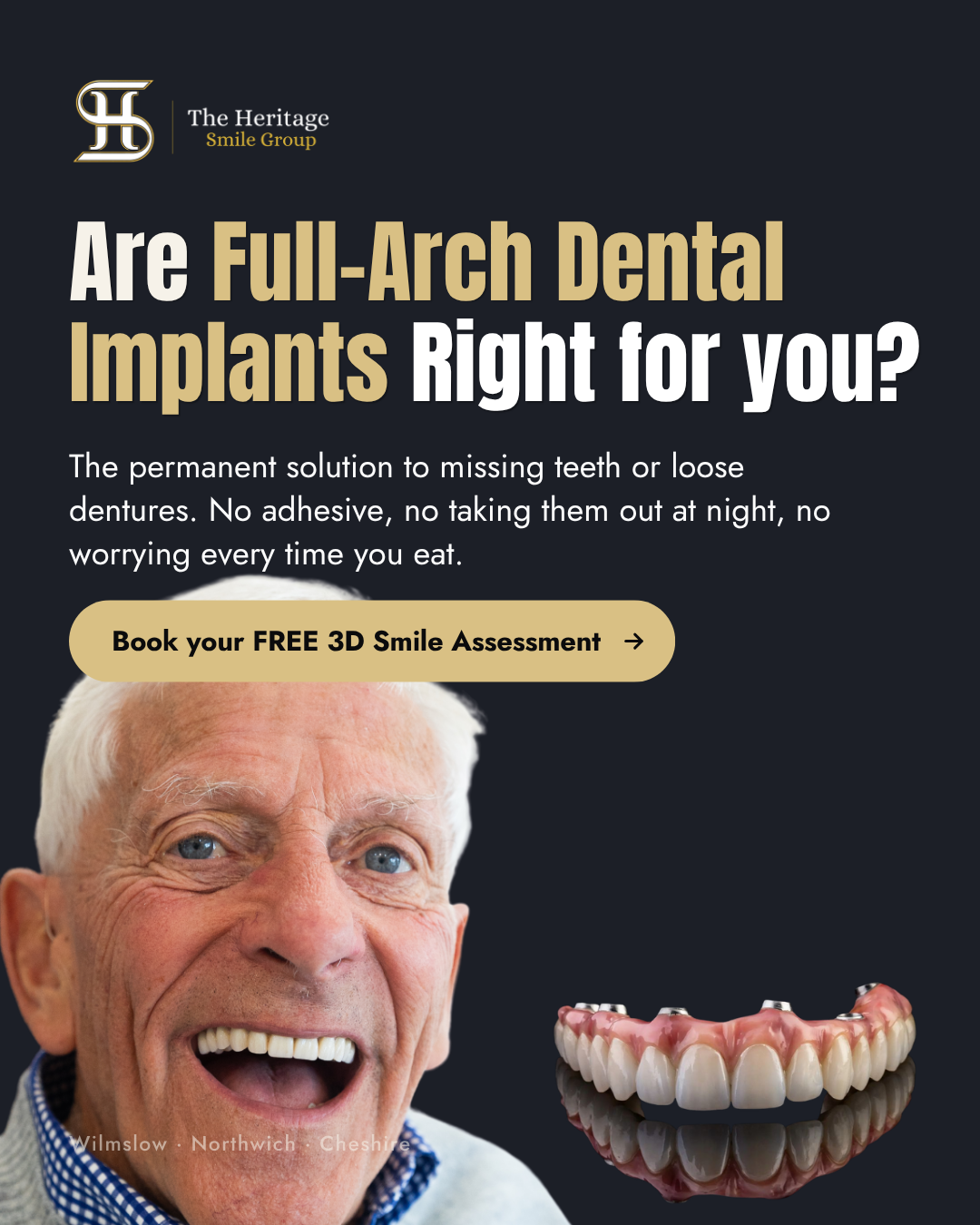
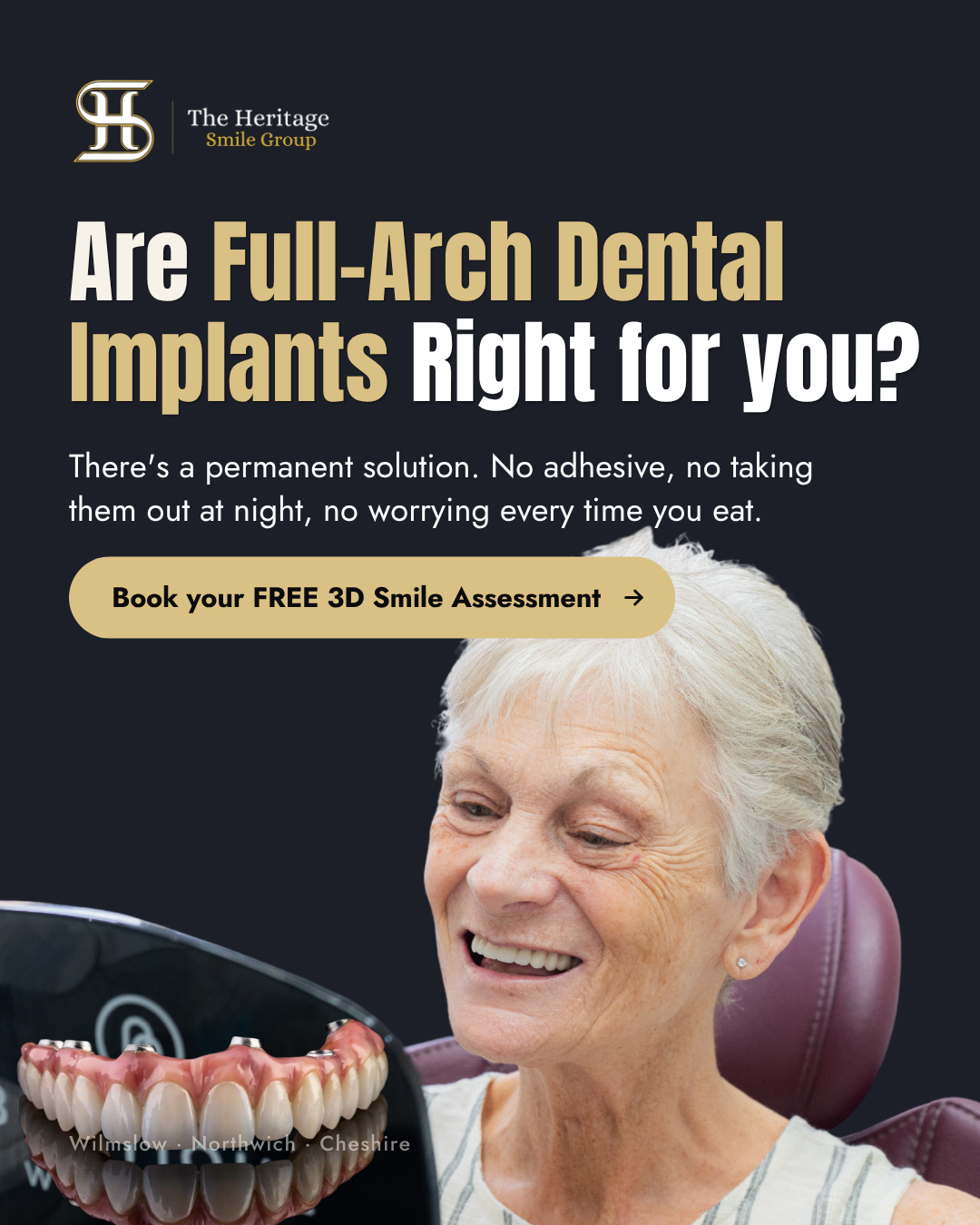
The biggest case in the practice and the longest decision. It usually follows years of dentures, avoidance and embarrassment, and it almost never converts on a first click.
Implant advertising is more restricted than most practices realise. Outcome claims, words like “permanent”, “lifetime” and “painless”, and before-and-after photographs all have rules attached.
Advertised prices must include the full cost of treatment, so “implants from £1,995” is a problem if that figure excludes the abutment and crown.
We check every advert and page before it goes live. It’s your registration on the line.
When an implant campaign stalls, it’s usually down to one of these.
Cost is the first thing an implant patient searches for. Leaving it off doesn’t protect the consultation. It sends them to someone who answers the question.
Six weeks in, no cases have started and the campaign gets switched off. The enquiries from week three would have been booked in month four.
They weren’t ready, which doesn’t make them a bad lead. Nobody stayed in touch, so they booked elsewhere in the spring.
Most implant patients need to spread the cost. If that isn’t obvious on the page, they price themselves out before speaking to anyone.
Booking a surgeon out to March and carrying on spending is an expensive way to build a waiting list.
Here’s how we set up an implant campaign, and keep it working through the months it takes for cases to land.
How many cases a month can you actually take, at what fee, and with which clinician? We’ve paused campaigns for practices that simply couldn’t fit more in.
A range, with finance alongside it. Enquiry numbers usually fall and started cases go up. Every principal is nervous about this, and none has asked to reverse it.
Implant patients are buying a person as much as a procedure. Thirty seconds of your surgeon explaining the process does more than any before and after.
Single, multiple and full-arch cases each get their own creative, their own pages and their own budget.
What it costs, how long it takes, whether it hurts, how long it lasts and what happens if there isn’t enough bone. We answer all of it before they have to ring.
Occasional, useful messages by WhatsApp and email, such as patient stories, finance changes or a note from the clinician. Cases land in month nine from enquiries made in month one.
We report on consultations attended, cases started, cost per case and revenue against spend.
We’ll look at your current implant marketing, your pricing and your follow-up, and show you where cases are being lost. It’s free, and you’ll get a straight answer.

By running separate campaigns for single, multiple and full-arch treatment, publishing price ranges alongside finance options, and running long-term follow-up rather than short bursts. Implant decisions commonly take several months, so enquiries often convert well after the first contact. Referrals from existing patients are also a significant source of cases.
A single dental implant in the UK typically costs between £2,000 and £3,500, with a median of around £2,500 across surveyed practices. Bone grafting adds roughly £400 to £800 where it’s needed. Full-arch treatment, sometimes called All-on-4, generally ranges from £15,000 to £30,000 per jaw, depending on materials and the number of implants placed.
Enquiries generally start within days of a campaign launching, but booked and started cases typically take six to twelve weeks, and some convert much later. Implant patients often research for months before enquiring and may delay treatment for financial reasons, so campaigns judged only on their first six weeks usually understate the eventual return.
Yes. Publishing a price range generally improves case quality, because patients qualify themselves before enquiring. Enquiry volume typically falls while the proportion going on to consultation rises. Under ASA rules, advertised prices must include the full cost of treatment, so figures that exclude the abutment or crown aren’t allowed. Show finance options alongside prices.